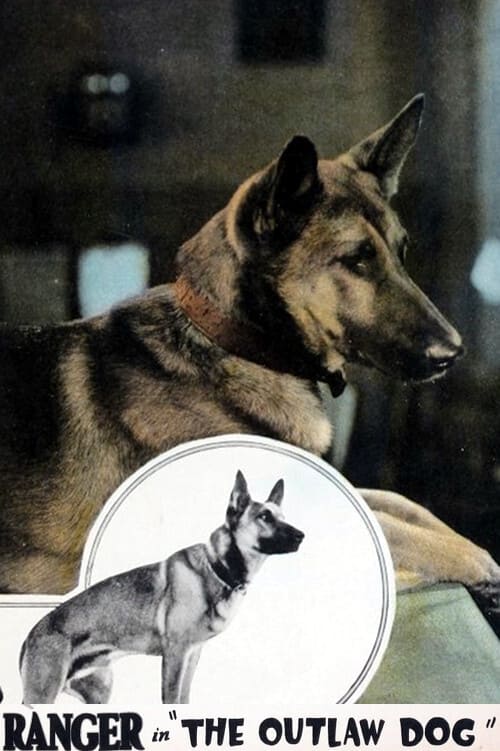
The Outlaw Dog
1927
No user ratings available yet
Representation score: 1.4 out of 10
Representation Score
Minimal
1927
PassedDirector
Lewis Seiler
Runtime
60 minutes
Average Rating
No ratings yetNew Showbiz Analysis
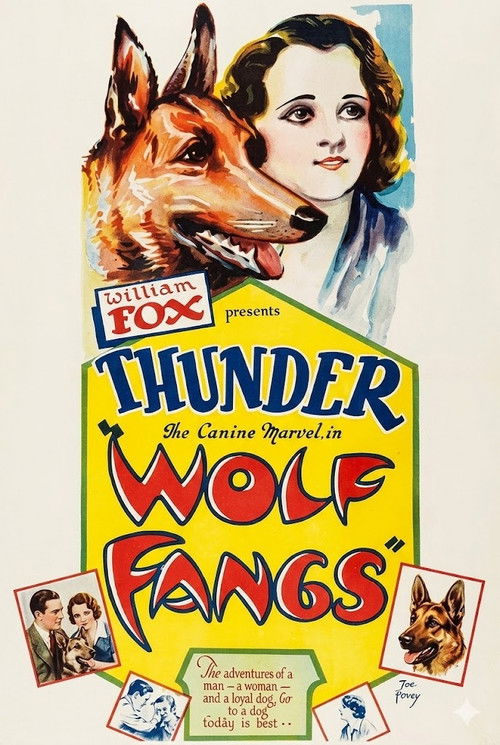
Wolf Fangs is a product of its time, focusing primarily on a traditional animal-centric adventure. While it adds some complexity through its portrayal of a dysfunctional family, it lacks depth in reflecting multiple aspects of identity. The narrative relies heavily on established genre clichés, such as the damsel in distress and the brutal patriarch, providing a standard dramatic structure but failing to challenge the social hierarchies of the era. Ultimately, the film's emphasis on a canine protagonist and a frontier setting results in a narrow scope that lacks racial, cultural, or LGBTQ+ representation.
Category Breakdown
The film does not include any representation of LGBTQ+ identities or same-sex relationships. It follows the assumption that everyone is straight and cisgender, which is typical of 1920s action dramas.
Ellen serves as the emotional center of the story, but she often falls into a traditional role where she needs rescuing. The antagonist is a harsh patriarch whose actions drive the plot.
The cast appears uniform, with no indication of non-white or non-Anglo-Saxon characters. The narrative centers on archetypes typical of the era's cinema.
The story examines family dysfunction through a traumatic father-daughter relationship. However, it remains a conventional Western frontier tale without broader institutional critique.
There is no evidence of characters dealing with physical, sensory, or neurodivergent disabilities in this wilderness adventure.
Present on Screen
Limited or Absent
Official Synopsis
Thunder, a dog raised by Ellen, a sheepherder's daughter, is driven to the wilderness by the brutal treatment of her father, Bill Garside, and becomes an outlaw; when grown, he takes command of a wolfdog pack. Later, Ellen, driven from her home by the same brutal herder, seeks refuge at the cabin of Neal Barrett, the forest ranger; she is pursued by the hungry pack and is stranded on a rocky cliff where Thunder once again encounters his former mistress. He challenges the pack in her defense, provoking a battle between himself and a rival for his command. Later, Thunder rescues Ellen from her brutal father.
1927
1991
1923
2014
1980
1996
1970
1956
No reviews yet. Be the first to share your thoughts on this movie!
Use the rating form above to leave a star rating and optional review.