
Full Alert
1997
No user ratings available yet
Representation score: 6.6 out of 10
Representation Score
Fair
2001
Not RatedDirector
Johnnie To, Law Wing-Cheong
Runtime
95 minutes
Average Rating
No ratings yetNew Showbiz Analysis
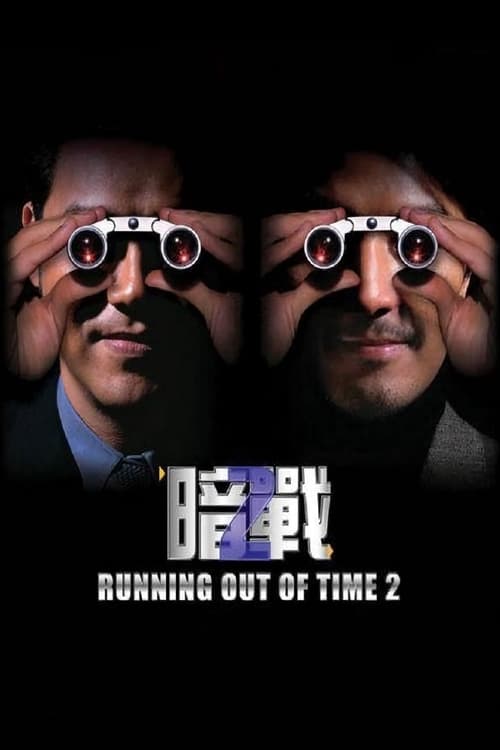
Running Out of Time 2 is a sophisticated genre film that emphasizes psychological complexity and moral ambiguity. It moves away from typical good-versus-evil narratives, focusing instead on a mental cat-and-mouse game. However, the film remains focused on male-driven conflicts, limiting the range of gender representation and diverse viewpoints. Despite this, it offers a unique cinematic experience by centering East Asian storytelling and situational ethics, which challenges absolute moral standards.
Category Breakdown
The film focuses on a psychological battle between a protagonist and an antagonist. There is no depiction of same-sex relationships or gender identities that don't align with the characters' assigned genders at birth.
The story revolves around a high-stakes intellectual contest between male characters. This emphasis on male conflict doesn't provide much evidence of women taking a leading role or challenging traditional gender power dynamics.
This Hong Kong production showcases a primarily East Asian cast and crew, offering a viewpoint that highlights Asian ability to act and resists Western storytelling norms.
The plot emphasizes moral relativism through a mental game of strategy. Traditional ideas of justice take a backseat to situational ethics and strategic thinking among the characters.
The synopsis does not mention any characters dealing with physical, sensory, or neurological differences.
Present on Screen
Limited or Absent
Official Synopsis
Ho Sheung Sang finds himself wrapped up in another cat-and-mouse game, this time against a tricky magician.
1997
1999

1988

2004

2007
1998
1996
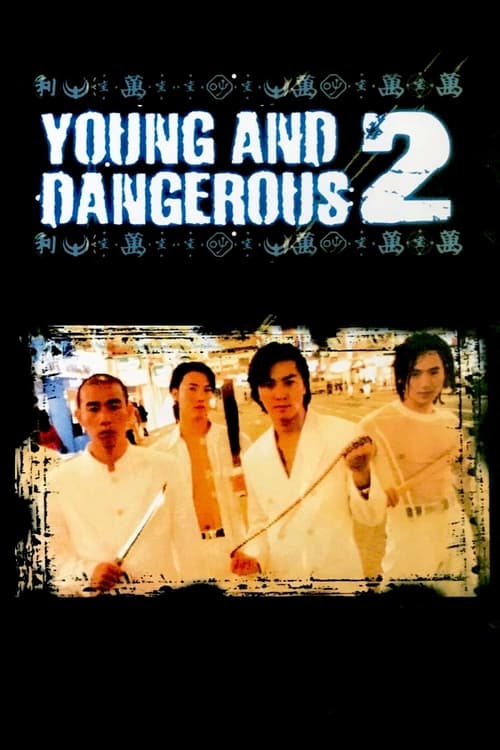
1996
No reviews yet. Be the first to share your thoughts on this movie!
Use the rating form above to leave a star rating and optional review.