
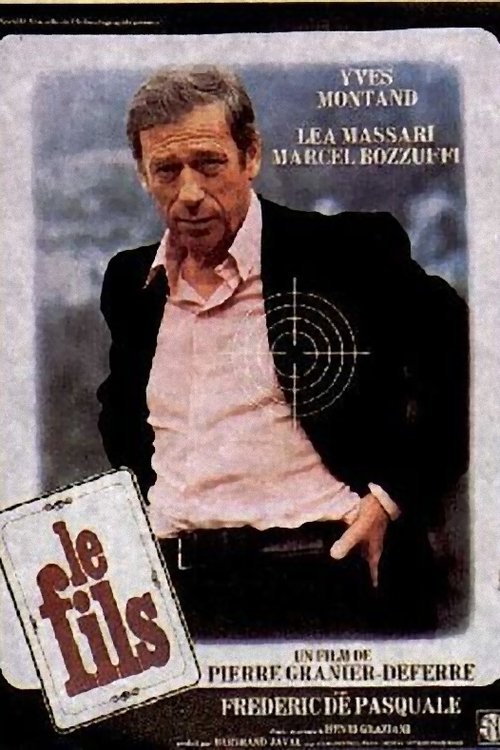
L'Homme en colère
1979
No user ratings available yet
Representation score: 1.8 out of 10
Representation Score
Minimal
1973
Director
Pierre Granier-Deferre
Runtime
100 minutes
Average Rating
No ratings yetNew Showbiz Analysis
The film is a traditional character drama that prioritizes localized, homogeneous storytelling. It focuses on classical tragic themes such as inheritance, secrets, and vengeance, rather than disrupting social hierarchies. The narrative is deeply rooted in a specific European identity, emphasizing patriarchal tension and the consequences of male violence. This focus limits the film's demographic breadth and multi-layered depth. Ultimately, the work serves as a study of familial estrangement and inherited trauma within a rigid, traditional social structure.
Category Breakdown
The film adheres to traditional assumptions about relationships and gender, lacking any representation of non-straight or non-cisgender identities. It does not include narratives that challenge conventional romantic pairings.
The story emphasizes masculine hierarchies and the breakdown of father-son relationships. It does not empower female characters or challenge traditional gender roles.
Set in rural Corsica, the film features a homogeneous cast with no multicultural casting or non-white protagonists. This limits the film's multi-layered breadth.
The narrative explores moral ambiguity and ancestral conflicts but does not critique broader ideological or systemic issues. It focuses on the dynamics within a specific family.
There is no representation of physical, sensory, or neurodivergent disabilities. The characters' struggles are primarily psychological and emotional.
Present on Screen
Limited or Absent
Official Synopsis
Ange leaves New York to fly to his native Corsica. His mother is dying and Ange, who was not present when his father died, wishes to be present at her death. In Corsica Ange finds his brother Baptiste who married Maria, the woman he loved. He finds out that his father was killed, but nobody wants to tell him the name of the killer. And finally he finds two killers expecting him.
1979
1969

1950
1974

1970

1971
1998

1978
No reviews yet. Be the first to share your thoughts on this movie!
Use the rating form above to leave a star rating and optional review.