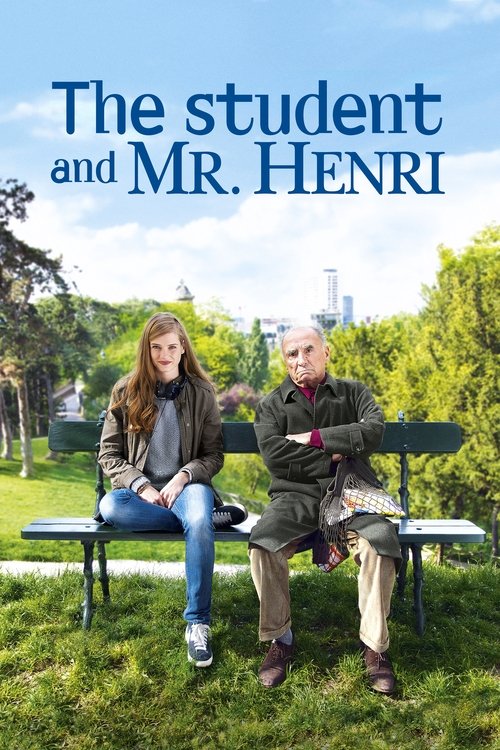
The Student and Mister Henri
2015
No user ratings available yet
Representation score: 6.1 out of 10

Representation Score
Fair
1974
Director
Ulrich Schamoni
Runtime
94 minutes
Average Rating
No ratings yetNew Showbiz Analysis
Chapeau Claque primarily serves as a social critique of class and inheritance rather than a study in demographic the way different parts of someone's identity overlap. The narrative focuses on disrupting a static, masculine environment through the introduction of a female character. While the film lacks overt representation regarding race and LGBTQ+ identities, it engages deeply with the deconstruction of bourgeois structures. It prioritizes the examination of inherited wealth and institutional stability over diverse casting. Ultimately, the film's strength lies in its potential to challenge social frameworks, even if it remains within a relatively homogeneous cultural lens.
Category Breakdown
The film does not include any explicit representations of LGBTQ+ identities or same-sex relationships. The story focuses on a male protagonist and a female arrival, suggesting a traditional pairing.
A young woman's arrival into a male-dominated, ancestral household suggests she might serve as a catalyst for change. This setup potentially challenges established patriarchal structures.
The narrative appears centered on a localized, homogeneous European social setting. There is no indication of a multi-ethnic cast or diverse racial representation.
The story provides a framework to critique inherited class privilege and bourgeois stagnation. It examines the burdens of ancestral wealth and traditional Western institutions.
There is no evidence of characters with visible or invisible disabilities within the provided context.
Present on Screen
Limited or Absent
Official Synopsis
A man lives a quiet live in a big house thanks to the wealth of his ancestors. Then a young woman arrives.
2015
2010
1970
2023

1972

2021

1979

1977
No reviews yet. Be the first to share your thoughts on this movie!
Use the rating form above to leave a star rating and optional review.