
Blue Jeans
1975
No user ratings available yet
Representation score: 4.5 out of 10
Representation Score
Limited
1991
UnratedDirector
Tinto Brass
Runtime
116 minutes
Average Rating
No ratings yetNew Showbiz Analysis
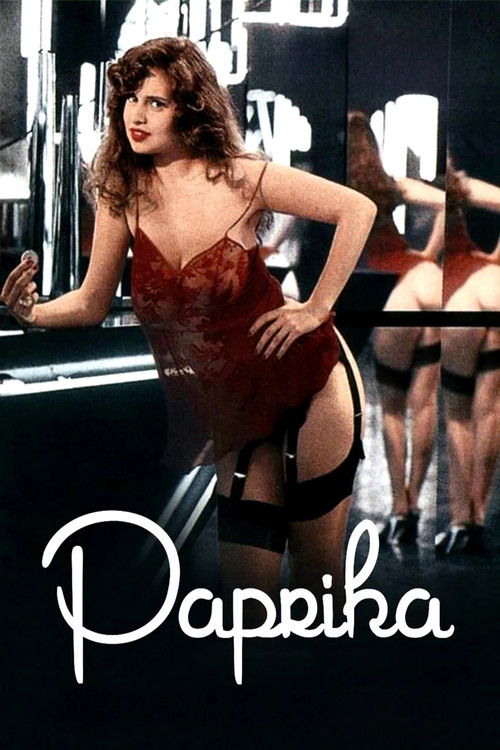
Paprika is a period drama that uses eroticism to examine mid-century social structures. While it lacks diversity in terms of race and LGBTQ+ representation, it offers a progressive perspective on female empowerment. The film replaces the stereotype of the submissive woman with a protagonist who navigates a male-dominated industry through intelligence and adaptability. It challenges the traditional family structure by depicting domestic life as an economic burden. Ultimately, the film explores themes of bodily autonomy and economic pragmatism, using the protagonist's journey to critique the restrictive social norms of 1957 Italy.
Category Breakdown
The film focuses exclusively on heterosexual relationships and lacks any representation of LGBTQ+ identities or queer romantic stories.
Paprika challenges traditional gender roles by showing a female character transform from a passive state into an active agent, emphasizing her sexual liberation and physical empowerment over domestic responsibilities.
The cast is primarily composed of white actors, reflecting the demographic makeup of 1950s Italy. The film does not include diverse ethnic or racial perspectives.
The narrative emphasizes secular self-discovery over religious morality. It portrays sex work as a practical response to economic hardship rather than a moral failing.
The film does not prominently feature characters with visible or invisible disabilities that play central roles in the narrative.
Present on Screen
Limited or Absent
Official Synopsis
In 1957 Trieste, a few months before the general ban on brothels, inexperienced country girl Mimma becomes Paprika to finance her useless boyfriend as a prostitute. Amid the hustle and bustle of Rome, Paprika drifts from one brothel to another as she learns the ropes and works her way up one client at a time. However, as Paprika embarks on a stormy journey of self-discovery and sexual liberation, the sense that something is missing haunts her. Is Paprika meant to experience a passionate romance and solve the great mystery of true love?
1975

1956

1983
2011
1986

1978
1991

1975
No reviews yet. Be the first to share your thoughts on this movie!
Use the rating form above to leave a star rating and optional review.