Some Prefer Cake
1998
No user ratings available yet
Representation score: 6.2 out of 10
Representation Score
Limited
1997
Director
Stephen Kijak
Runtime
101 minutes
Average Rating
No ratings yetNew Showbiz Analysis
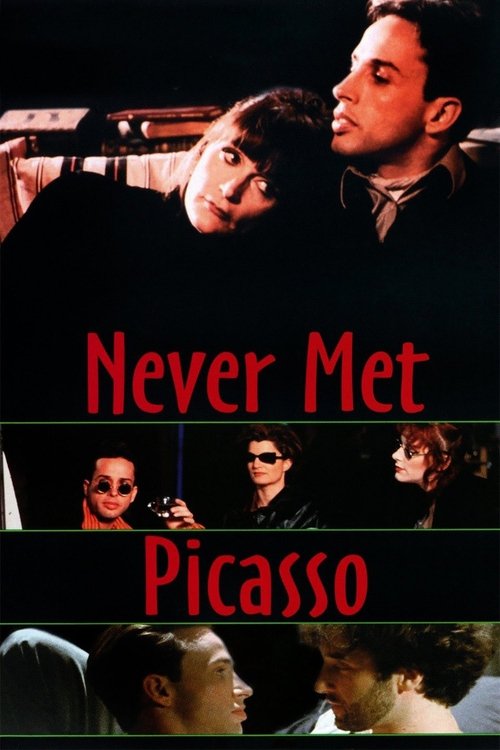
The film functions primarily as a biographical study of a white European artist, which naturally limits its racial and LGBTQ+ breadth. It prioritizes the deconstruction of artistic legacy and historical record over modern identity-driven narratives. However, the work gains depth by examining the political subtext of the 20th century. It successfully critiques systemic violence and traditional power structures through the lens of Picasso's political affiliations and art. Ultimately, the documentary is a study of historical legacy rather than an exploration of the way different parts of someone's identity overlap.
Category Breakdown
The film focuses on Picasso's documented romantic history through a traditional lens. It does not center non-straight identities or offer a critique of the assumption that everyone is straight.
The narrative explores the power dynamics between Picasso and his female muses. It highlights the friction between their roles and their influence within his life and art.
The perspective is largely Eurocentric, reflecting the Western art establishment. It lacks diverse perspectives driving the central historical narrative of the artist.
The film engages with anti-fascist sentiments and political engagement. It explores the tension between the individual artist and the state through works like Guernica.
There is no significant evidence regarding the portrayal of physical or neurodivergent disabilities as a central narrative element.
Present on Screen
Limited or Absent
Official Synopsis
Still living at home with his avant-garde actress mother, constantly rejected by art schools, and without a lover, aspiring painter Andrew decides to enter a contest in hopes of winning a six month stay in Kenya. Though things aren't great for Andrew, neither are they wonderful for his lesbian friend Lucy who constantly bickers with her lover Ingrid. Lucy complicates Andrew's life when she introduces him to the suspicious-looking, enigmatic Jerry.
1998

1992

1998

2007

1997
1988

1998

2000
No reviews yet. Be the first to share your thoughts on this movie!
Use the rating form above to leave a star rating and optional review.