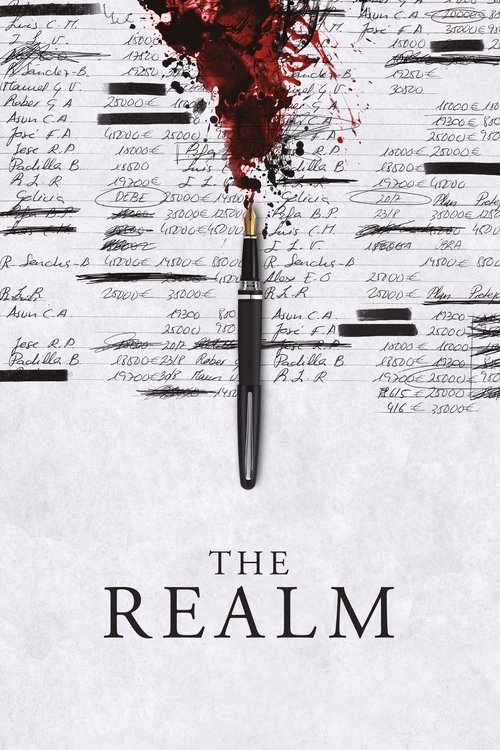
The Realm
2018
No user ratings available yet
Representation score: 4.5 out of 10

Representation Score
Excellent
2023
Director
Aritz Moreno
Runtime
97 minutes
Average Rating
No ratings yetNew Showbiz Analysis
Flies functions as a sophisticated critique of power dynamics. It challenges traditional hierarchies by portraying the upper echelons of society as a breeding ground for systemic dysfunction and moral relativism. The film's strength lies in its narrative deconstruction of the successful capitalist male. Instead of glorifying status, it exposes the inherent flaws within institutional power structures. However, the film lacks intentional representation of queer identity and multi-layered racial narratives, focusing instead on the protagonist's personal moral decay.
Category Breakdown
The film centers on the journey of a single protagonist, with no clear representation of non-straight or non-cisgender identities. There is no direct critique of the assumption that everyone is straight or cisgender.
The film challenges traditional gender roles by showing how women can take control and shape the protagonist's downfall. It highlights their ability to act in driving the story forward.
Set in Buenos Aires, the film showcases a diverse urban environment. However, it focuses more on class and individual morality than on the intersection of race and ethnicity.
The film effectively critiques Western capitalist systems, portraying wealth and corporate structures as inherently corrupt and predatory. It highlights the negative impact of these systems on individuals and society.
The film does not significantly portray neurodivergence or physical disabilities. A disfigured corpse is used primarily as a plot device, rather than exploring the character’s experience with disability.
Present on Screen
Limited or Absent
Official Synopsis
Mr. Machi is a businessman fond of luxuries, easy money and women. A despicable person who abuses his power and position, but suddenly finds himself in an extreme situation: one morning, in broad daylight, he punctures a tire. But his surprise comes when he discovers the disfigured corpse of a stranger in his trunk. Someone has set a trap for him. There he begins a desperate route to get rid of the body, discover his identity and know who is behind all this. One of the many enemies that he has cultivated over the years, from his own wife to co-workers, bodyguards and politicians. It could have been any of those that he has stepped on during these years to continue climbing or to consolidate his power, because for Luis Machi, people are so insignificant that from afar they look like flies.
2018

2011
2001

2024

2009
2013
2020

2019
No reviews yet. Be the first to share your thoughts on this movie!
Use the rating form above to leave a star rating and optional review.