
Favor
2013
No user ratings available yet
Representation score: 2.5 out of 10
Representation Score
Good
2001
RDirector
John Sjogren
Runtime
89 minutes
Average Rating
No ratings yetNew Showbiz Analysis
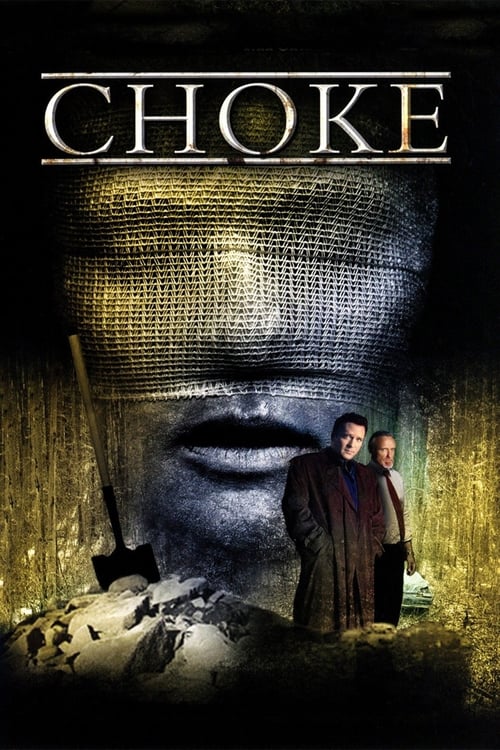
Choke stands out by moving away from typical thriller conventions to explore complex psychological themes. It dismantles traditional social hierarchies, especially concerning gender and neurodivergence. By focusing on characters' internal struggles and non-traditional identities, the film provides a sophisticated, postmodern perspective on human behavior. However, the film's reach is constrained by its predominantly white cast and localized urban setting. The absence of racial and ethnic diversity limits the breadth of social perspectives presented. Ultimately, the film is a study of moral relativism. It replaces conventional heroic narratives with a raw examination of vulnerability and compulsive behavior.
Category Breakdown
The film delves into the psychological tension surrounding queer identity. It examines non-traditional relationship dynamics and intimacy to challenge conventional structures.
The narrative challenges traditional masculine hierarchies by showing men experiencing intense physical and emotional fragility. It rejects the stoic archetype through depictions of vulnerability.
The production features a predominantly white cast focused on a localized urban stratum. It lacks significant multi-layered breadth or diverse ethnic perspectives.
The story emphasizes subjective morality and the breakdown of social norms. It frames anti-social behaviors through a lens of psychological complexity.
The film centers on invisible disabilities such as neurodivergence and bulimia. These conditions are integral to the characters' identities rather than being used merely as plot devices.
Present on Screen
Limited or Absent
Official Synopsis
Henry, an uptight businessman who sometimes acts with questionable ethics, nevertheless rejects Ron, a scam artist who wants a partner. Ron won't let up and finds a lever to blackmail Henry, whose daughter Gina has killed a pedestrian in a hit-and-run car accident. To protect Gina, Henry disposes of Ron, but a murderous sociopath witnesses this crime. Henry and this stranger bond in an odd way, telling stories about their childhoods. Henry makes a deal with the stranger, helping to get rid of the body of one of the stranger's victims. Will this act seal a bargain between the two men and get Henry off the hook, or will the stranger threaten Henry and Gina?
2013
1977
1999

1989

2018
1986
1971
1977
No reviews yet. Be the first to share your thoughts on this movie!
Use the rating form above to leave a star rating and optional review.