Aswang
1992
No user ratings available yet
Representation score: 5.0 out of 10
Representation Score
Fair
1984
Director
Ishmael Bernal, Peque Gallaga, Emmanuel H. Borlaza
Runtime
125 minutes
Average Rating
No ratings yetNew Showbiz Analysis
Shake, Rattle & Roll (1984) stands as a culturally significant work that emphasizes ethnic and regional specificity. By grounding its horror in local folklore and urban legends, it offers a compelling alternative to Western-centric storytelling traditions. Though the film does not engage with contemporary multi-layered identity politics or queer theory, it excels in highlighting indigenous mythologies. Its strength lies in its cultural specificity and the effective use of local supernatural frameworks to propel its narratives. Overall, the film diverges from globalized horror clichés, emphasizing a uniquely Filipino perspective through its settings and belief systems.
Category Breakdown
The film explores a tragic love triangle involving supernatural elements but does not include non-traditional gender identities or direct criticism of heterosexual norms.
The stories focus on traditional gender roles such as courtship and the character of a barrio lass, but they rely on conventional genre clichés rather than challenging gender hierarchies.
As a significant Filipino film, it centers on Filipino identity through local folklore. It successfully disrupts Western-centric horror clichés by incorporating indigenous supernatural frameworks.
The film incorporates local superstitions like 'Spirit of the Glass' as key narrative elements. This reflects a pluralistic worldview grounded in non-Western belief systems.
There is no documented portrayal of physical or neurodivergent disabilities in these stories.
Present on Screen
Limited or Absent
Official Synopsis
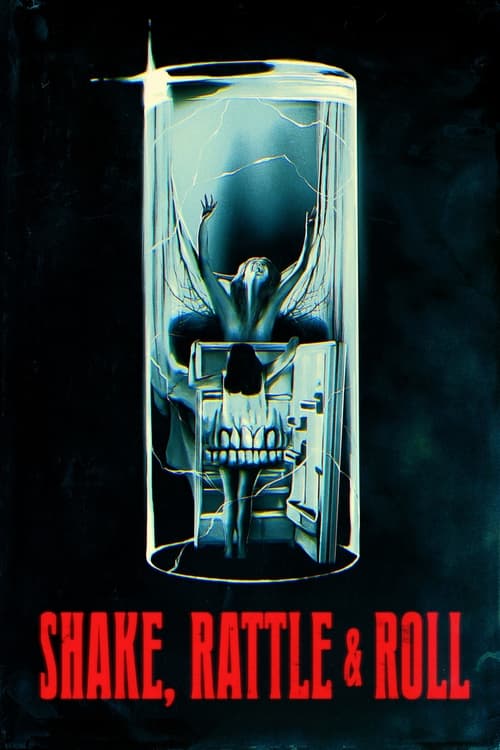
An anthology of three violent stories: three friends perform Spirit of the Glass and discover a tragic love triangle; a refrigerator seems to be 'alive'; and a teenager who courts a barrio lass without his knowledge that this lass is a monster, which eventually causes chaos to his family.
1992

1992

2010
1998

2005
1982
2004
1979
No reviews yet. Be the first to share your thoughts on this movie!
Use the rating form above to leave a star rating and optional review.