Shake, Rattle & Roll
1984
No user ratings available yet
Representation score: 4.8 out of 10
Representation Score
Fair
1992
Director
Peque Gallaga, Lore Reyes
Runtime
125 minutes
Average Rating
No ratings yetNew Showbiz Analysis
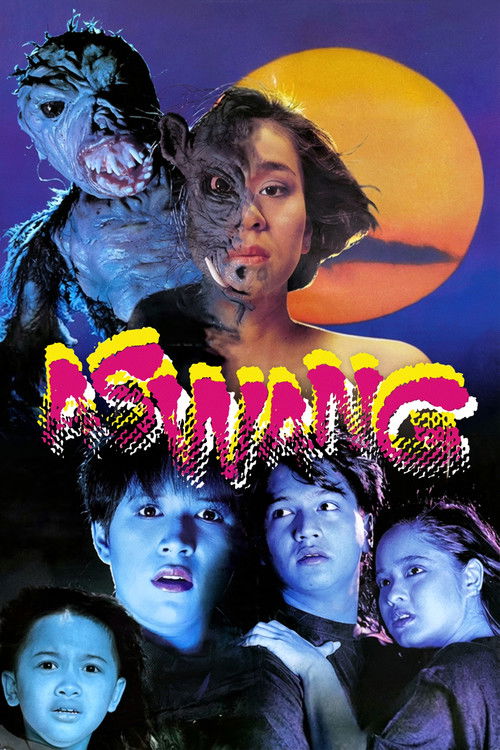
Aswang (1992) is a culturally significant film that challenges Western horror conventions. By using the aswang legend, the directors validate indigenous identity and offer a unique perspective on terror. While the film excels in ethnic authenticity, it falls short in exploring LGBTQ+ themes and gender diversity. These limitations reflect the cinematic constraints of the time, emphasizing folklore over social subversion. Overall, the film's strength lies in its ability to move away from Eurocentric vampire clichés, creating a narrative rooted in Southeast Asian cultural specifics.
Category Breakdown
The film doesn't include any explicit LGBTQ+ characters or stories. It follows traditional horror structures typical of 1992 Philippine cinema.
Women play key roles in the horror through traditional archetypes like the young woman and the withered hag. However, these roles rely on familiar stereotypes rather than offering diverse ability to act.
The film stands out by featuring a predominantly Filipino cast and drawing from indigenous folklore. It emphasizes a non-Western mythological framework, reinforcing local identity through the aswang legend.
By focusing on non-Christian, folkloric beliefs, the film challenges Western horror traditions. It honors local customs and superstitions over imported, Eurocentric norms.
There is no verifiable evidence regarding the depiction of physical or neurodivergent disabilities within the film's narrative.
Present on Screen
Limited or Absent
Official Synopsis
This Filipino vampire film co-directed by Peque Gallaga and Lore Reyes tells the story of an aswang, the traditional shape-shifting creature of local legend. Here, the vampire makes appearances as a giant snake, a young woman (Alma Moreno), and a withered old hag (Lilia Cuntapay). The aswang has a lengthy cinematic history, having been the subject of the first sound film ever produced in the Philippines (1932's Ang Aswang) and migrating, in somewhat altered form, to films in Hong Kong, India, Japan, and, in 1994, to the United States. Aiza Seguerra co-stars with Janice de Belen, Aljon Jimenez, John Estrada, and Alma Moreno.
1984
1979
1990

1990
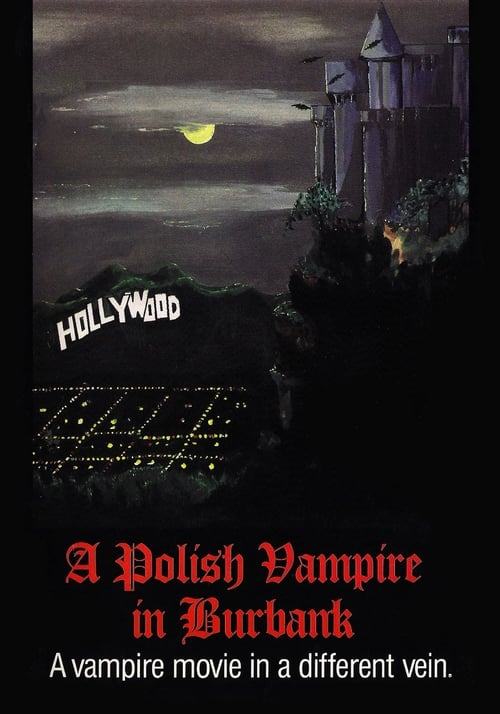
1983
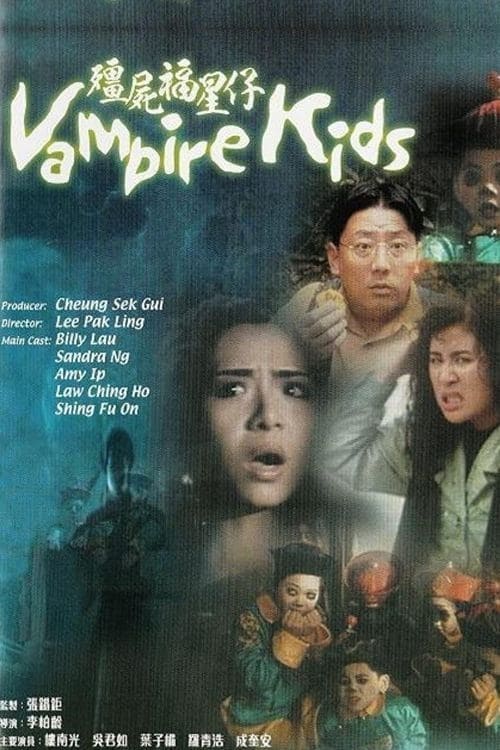
1991
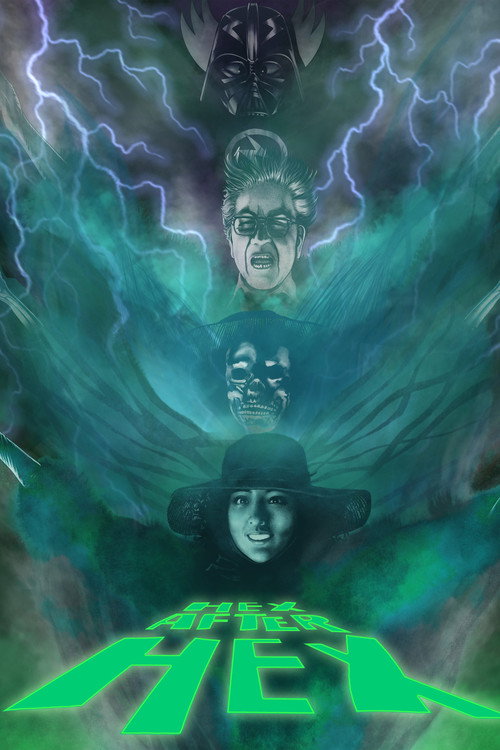
1982
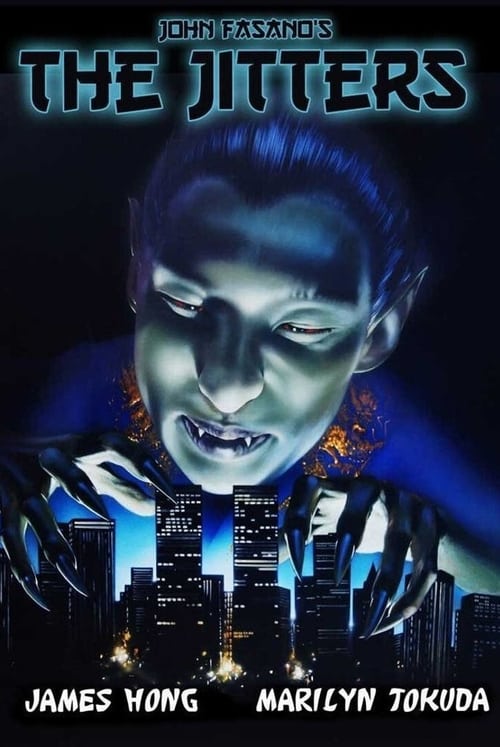
1989
No reviews yet. Be the first to share your thoughts on this movie!
Use the rating form above to leave a star rating and optional review.