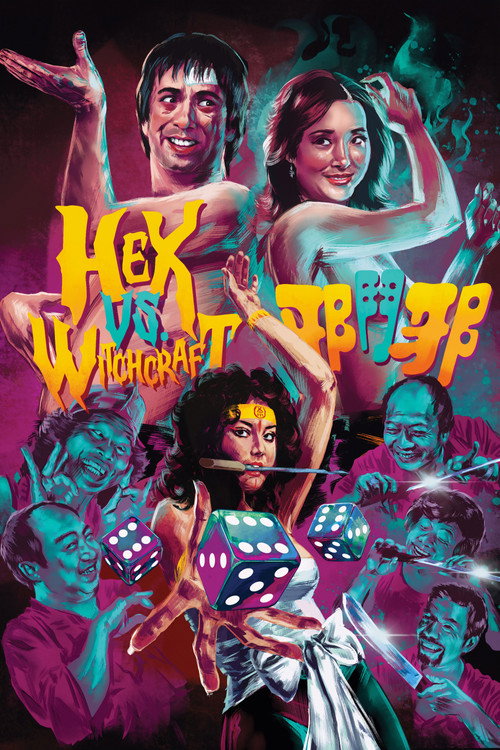
Hex vs. Witchcraft
1980
No user ratings available yet
Representation score: 5.2 out of 10
Representation Score
Fair
1982
Director
Kuei Chih-hung
Runtime
100 minutes
Average Rating
No ratings yetNew Showbiz Analysis
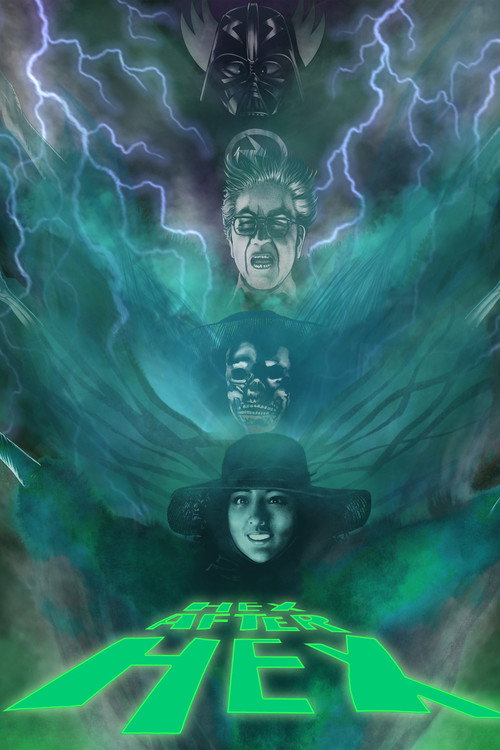
Hex After Hex explores supernatural ability to act and non-Western folklore within the horror genre. While it follows traditional romantic storylines, it avoids passive female victim clichés by focusing on a powerful female ghost. The film also offers a unique cultural perspective through its Hong Kong roots, deviating from Western horror conventions. However, it lacks explicit LGBTQ+ representation and does not address disability issues.
Category Breakdown
The film focuses on a romantic tragedy between a human and a supernatural entity. It does not include any explicit depiction of queer identities or non-assuming gender matches what was assigned at birth gender roles.
The story centers around a powerful female ghost whose actions drive the plot. By portraying her as a force of chaos rather than a passive victim, the film challenges typical gender stereotypes.
With a predominantly East Asian cast, the film offers a non-Western perspective on horror and folklore. It diverges from the Anglo-centric traditions prevalent during the time of its release.
The narrative incorporates a non-Western spiritual framework emphasizing vengeance and supernatural intervention. It prioritizes atmospheric, fatalistic themes over strict Western concepts of justice and divine order.
The film does not provide any specific details about the portrayal of physical or neurodivergent disabilities.
Present on Screen
Limited or Absent
Official Synopsis
Hell may have no fury like a woman scorned, but hell really has no wrath like a lusting ghost scorned! Muscular "Venom" Lo Mang discovers just that when the demon arranges to have his true love killed in order to possess her. Chaos, revenge, insanity, violence, tragedy, and even romance ensue. Director Kuei Chih-hung, already famous for Bamboo House of Dolls, Killer Snakes, Ghost Eyes, Corpse, Hex, and many other cult classics, shoots the works with this amazing horror love story.
1980
1985
1994

2013
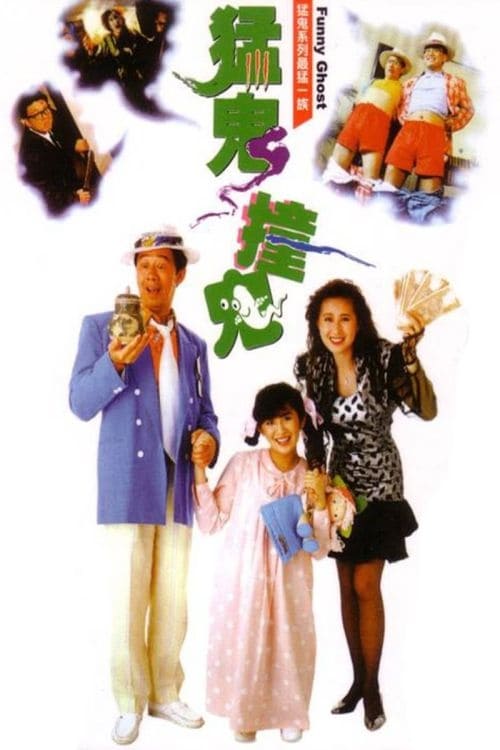
1989
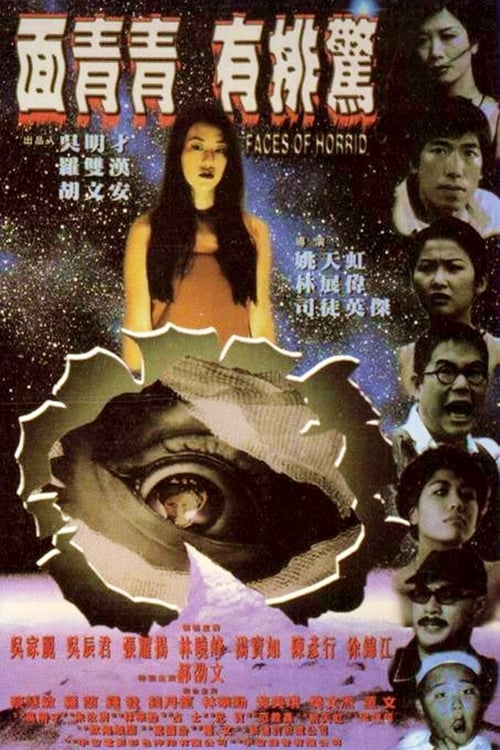
1998
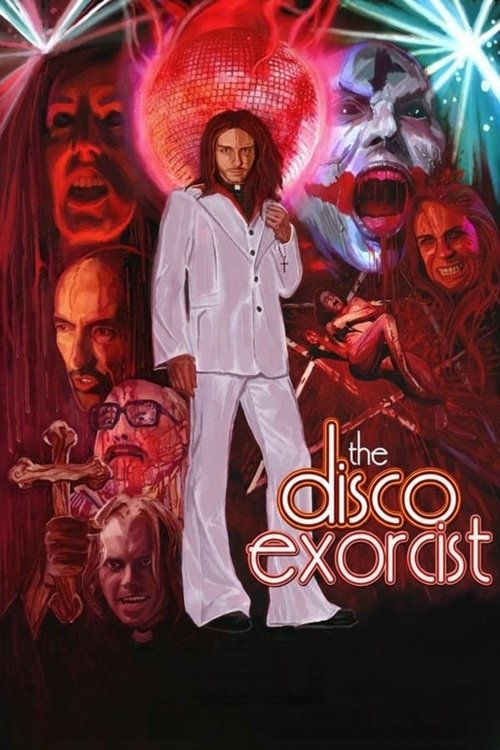
2011
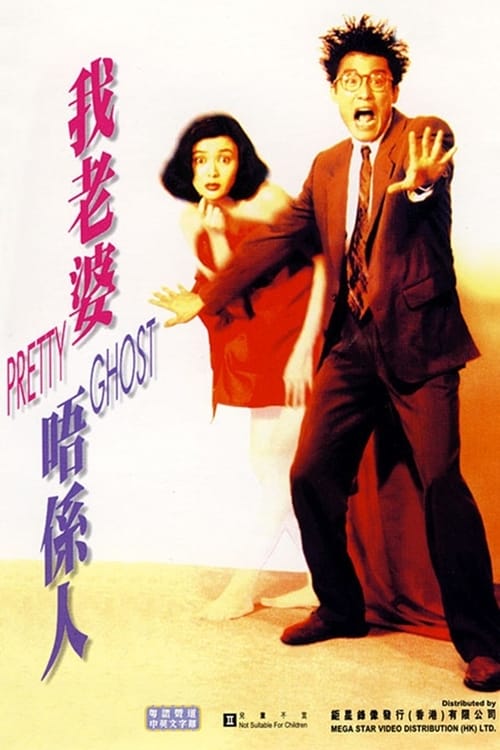
1991
No reviews yet. Be the first to share your thoughts on this movie!
Use the rating form above to leave a star rating and optional review.