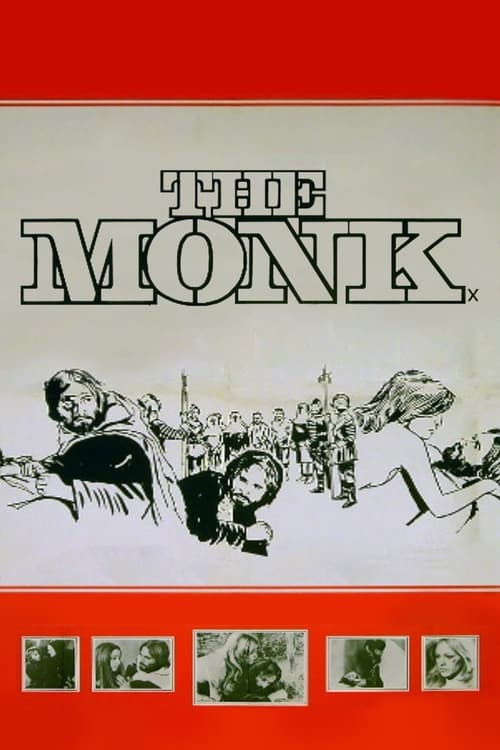
The Monk
1972
No user ratings available yet
Representation score: 5.0 out of 10
Representation Score
Fair
2003
Director
Scott Gordon, Ron Meyer
Runtime
91 minutes
Average Rating
No ratings yetNew Showbiz Analysis
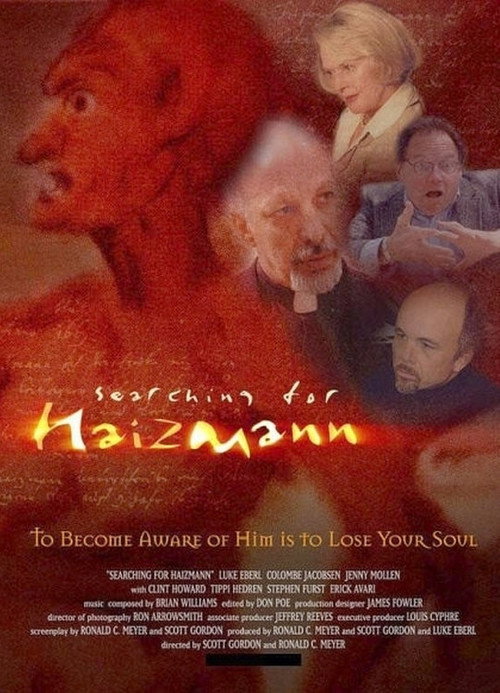
Searching for Haizmann operates primarily as a genre-driven supernatural drama. It prioritizes historical legend and psychological horror over disrupting traditional power structures or promoting modern social commentary. While the film includes diverse elements and engages with complex historical themes, these serve the plot rather than critiquing broader societal issues.
Category Breakdown
The film does not include explicit LGBTQ+ characters or narratives that question the assumption that everyone is straight or cisgender. The story focuses on a supernatural investigation involving a historical figure and a modern documentary crew.
Female characters such as Hannah and Grace play significant roles in driving the investigation alongside Julian. However, the narrative centers on finding a powerful male figure, maintaining traditional gender dynamics.
The inclusion of Erick Avari in the supporting cast suggests ethnic diversity within the expert ensemble. The setting shifts through various social landscapes, including inner-city environments.
The story engages with traditional occult themes like Satanism and the Antichrist, functioning as genre clichés rather than a critique of religious institutions or systemic oppression.
The film touches on mental health through Haizmann’s historical schizophrenia diagnosis. However, it risks using neurodivergence as a horror plot device rather than giving real power to the characters.
Present on Screen
Limited or Absent
Official Synopsis
Johann Christoph Haizmann, who lived in the 1650s, was a painter and a deeply disturbed individual. His intricate paintings of the devil and his elaborate journal entries depicting encounters with him led Sigmund Freud to diagnose him as one of the first known schizophrenics. Legend has it that Haizmann made a pact with the devil in 1650 to be his son here on earth, and therefore gained immortality. Now, in present day, washed-up child actor Julian, the free-spirited Hannah, and former teacher Grace, along with a documentary film crew, go on a search for this man, who may be the embodiment of all evil. Along the way, they get tips from various experts, which include performances from George Kennedy, Tippi Hedren, Erick Avari, and Stephen Furst. The journey takes them from the inner city to a satanic black mass ceremony, and into the depths of their own souls, as they search for Johann Christoph Haizmann, the Antichrist.
1972

1961

2022
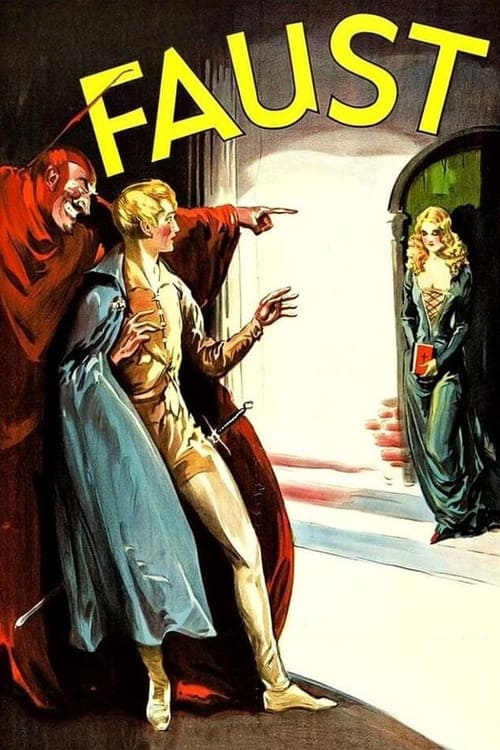
1926
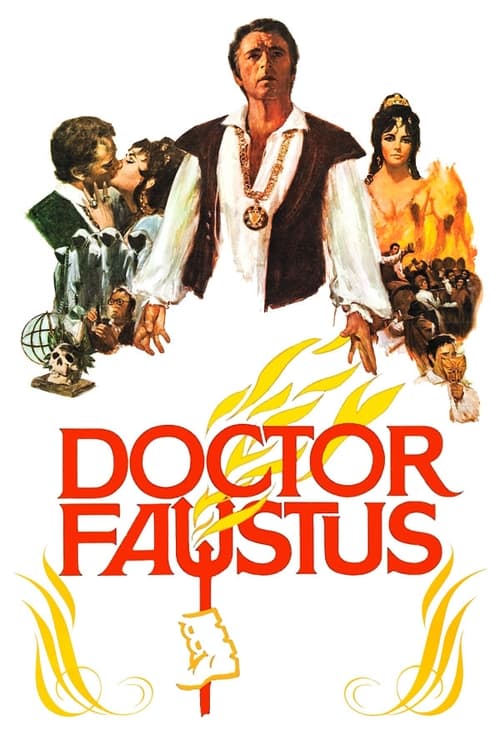
1967

1975
2007
1957
No reviews yet. Be the first to share your thoughts on this movie!
Use the rating form above to leave a star rating and optional review.