
The Adventures of Young Indiana Jones: Journey of Radiance
2000
No user ratings available yet
Diversity score: 5.9 out of 10
2001
PGDirector
Mitch Davis
Runtime
113 minutes
Average Rating
No ratings yetSynopsis
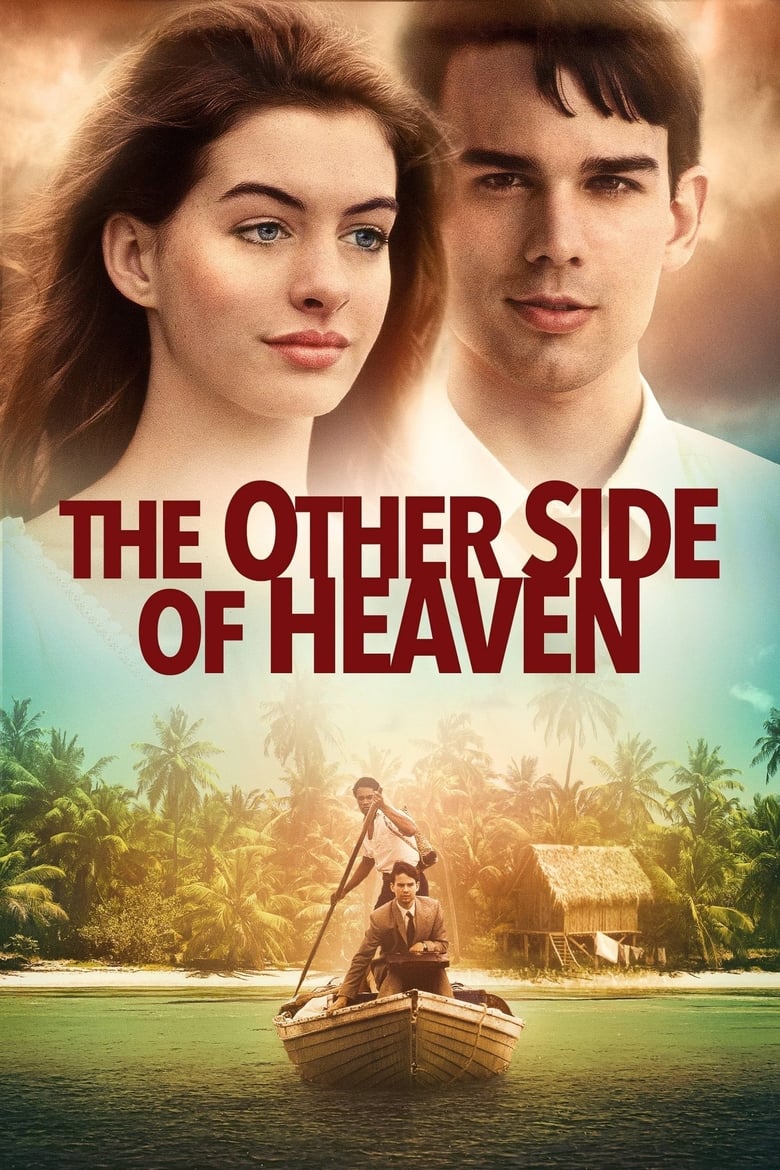
John H. Groberg, a middle class kid from Idaho Falls, crosses the Pacific to become a Mormon missionary in the remote and exotic Tongan island kingdom during the 1950's. He leaves behind a loving family and the true love of his life, Jean. Through letters and musings across the miles, John shares his humbling and sometimes hilarious adventures with "the girl back home", and her letters buoy up his spirits in difficult times. John must struggle to overcome language barriers, physical hardship and deep-rooted suspicion to earn the trust and love of the Tongan people he has come to serve. Throughout his adventure-filled three years on the islands, he discovers friends and wisdom in the most unlikely places. John H. Groberg's Tongan odyssey will change his life forever.
Overall Score
Limited
Category Breakdown
LGBTQ+ Representation
The film operates within a strictly heteronormative framework. The narrative focuses on the protagonist's devotion to his true love, reinforcing traditional romantic structures without any non-cisnormative identities.
Gender Representation
Gender roles follow mid-century conventions. While the male protagonist drives the plot through physical agency, the female lead serves primarily as a reactive, emotional anchor through her correspondence.
Racial & Ethnic Diversity
The setting in the Tongan island kingdom provides meaningful representation. The story emphasizes the protagonist adapting to local customs and language, though the perspective remains filtered through a missionary lens.
Religious & Cultural Diversity
The film promotes a singular religious morality centered on Mormonism. It reinforces Western values like the nuclear family and religious service rather than critiquing systemic power or institutions.
Disability Representation
Physical hardships are depicted to highlight the protagonist's resilience and spiritual fortitude. The film does not explore neurodivergence or specific disability identities with independent agency.
Strengths
Areas for Improvement
AI Analysis
The film is a traditionalist narrative that prioritizes spiritual and historical continuity over the subversion of social norms. It functions as a celebration of faith and duty, utilizing a conventional storytelling framework. While the Tongan setting offers cultural immersion, the narrative architecture is designed to reinforce traditional Western hierarchies and heteronormative structures. It avoids the deconstruction of identity or the critique of institutional authority. Ultimately, the work serves as a biographical drama that emphasizes assimilation into a religious mission rather than challenging established social or capitalist structures.
No reviews yet. Be the first to share your thoughts on this movie!
Use the rating form above to leave a star rating and optional review.
