
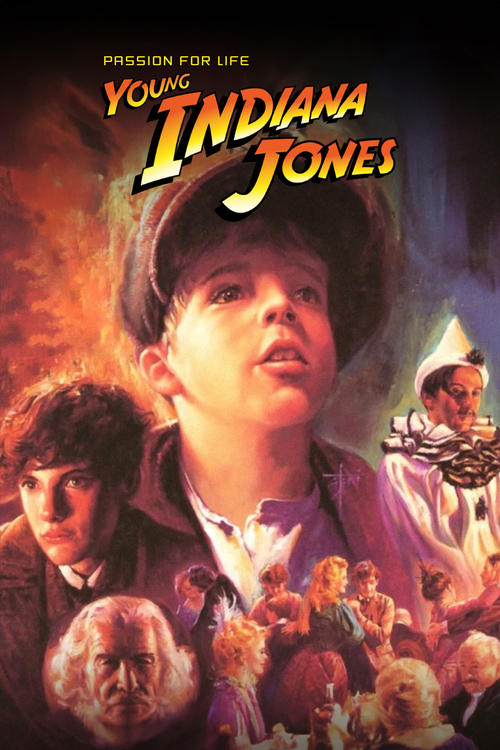
The Adventures of Young Indiana Jones: Love's Sweet Song
2000
No user ratings available yet
Representation score: 2.9 out of 10

Representation Score
Good
2000
Director
Gavin Millar, Deepa Mehta
Runtime
96 minutes
Average Rating
No ratings yetNew Showbiz Analysis
Journey of Radiance stands out by focusing on the geopolitical and spiritual landscape of 1912 India. It shifts the narrative from Western-centric adventure to a post-colonial perspective. The film excels in racial and cultural representation, avoiding imperialist clichés. It centers South Asian perspectives and indigenous knowledge. However, it lacks LGBTQ+ representation and uses a medical crisis as a plot device rather than a nuanced exploration of disability.
Category Breakdown
The film does not include any LGBTQ+ characters or non-straight identities. The story focuses on spiritual awakening and socio-political tensions of the time.
Female characters are involved in political movements, challenging traditional roles. However, the story mainly centers on male-led revolutionary activities.
The film features a predominantly South Asian cast, providing authentic perspectives. It avoids the 'white savior' cliché by showing the British Raj as an occupying force.
The film highlights non-Western philosophies and indigenous medicine, critiquing Western dominance. It portrays colonial administration as oppressive.
Typhoid fever drives the plot, highlighting local medicinal practices. However, the illness primarily serves as a catalyst for character development without deep exploration of disability.
Present on Screen
Limited or Absent
Official Synopsis
The elder Jones's lecture tour takes parents and son to India, where Indy explores the meaning of faith in oneself with Theosophist philosopher Jiddu Krishnamurti. Then, when Indy falls victim to typhoid fever in China, his mother must have faith and trust that the villagers' ancient medicines will save him.
2000

1986
2000
1997

1996
2008

1995

1999
No reviews yet. Be the first to share your thoughts on this movie!
Use the rating form above to leave a star rating and optional review.