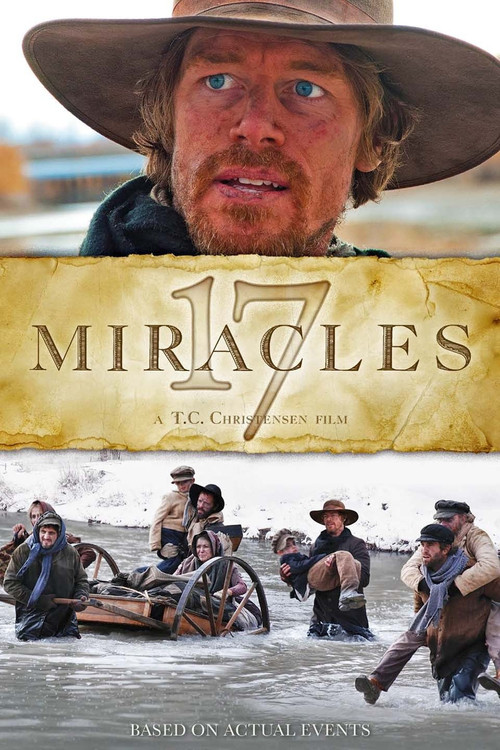
17 Miracles
2011
No user ratings available yet
Diversity score: 1.9 out of 10

2019
PG-13Director
Mitch Davis
Runtime
110 minutes
Average Rating
No ratings yetSynopsis
Missionary John H. Groberg returns to Tonga in the 1960s with his wife and their five young daughters. When their sixth child is born with a serious illness, the Grobergs face their ultimate test of faith, only to find themselves surrounded by the love and prayers of thousands of Tongans. Barriers of inter religious strife are soon broken down as all unite in hopes of a miracle that will save the baby's life, as well as the life of a Tongan minister's son.
Overall Score
Limited
Category Breakdown
LGBTQ+ Representation
The film centers on a traditional nuclear family and the sanctity of marriage. It lacks any depiction of non-cisnormative identities or same-sex intimacy.
Gender Representation
The story follows a patriarchal structure with John H. Groberg as the primary decision-maker. Women are portrayed through roles of maternal fortitude and domestic support.
Racial & Ethnic Diversity
Tongan characters receive significant visibility and presence throughout the film. However, their agency is often framed by their relationship to the central missionary narrative.
Religious & Cultural Diversity
The narrative operates within a singular framework of Christian faith and prayer. It seeks to bridge religious strife through shared spiritual adherence rather than systemic reform.
Disability Representation
A serious childhood illness drives the emotional arc of the plot. The medical condition functions primarily as a device to facilitate a spiritual miracle.
Strengths
Areas for Improvement
AI Analysis
The film prioritizes a cohesive, moralistic worldview that reinforces traditional values of faith and family. It celebrates the intersection of Western missionary work and Tongan communal life without challenging established social hierarchies. While the Tongan community is highly visible, the narrative remains anchored to the protagonist's spiritual journey. This limits the depth of cultural agency for the local characters. Ultimately, the film avoids intersectional identity politics, opting instead for a story of communal solidarity and religious perseverance.
No reviews yet. Be the first to share your thoughts on this movie!
Use the rating form above to leave a star rating and optional review.