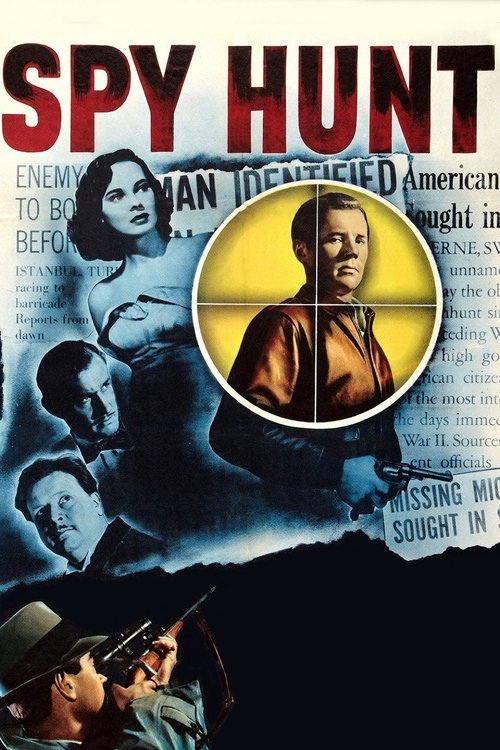
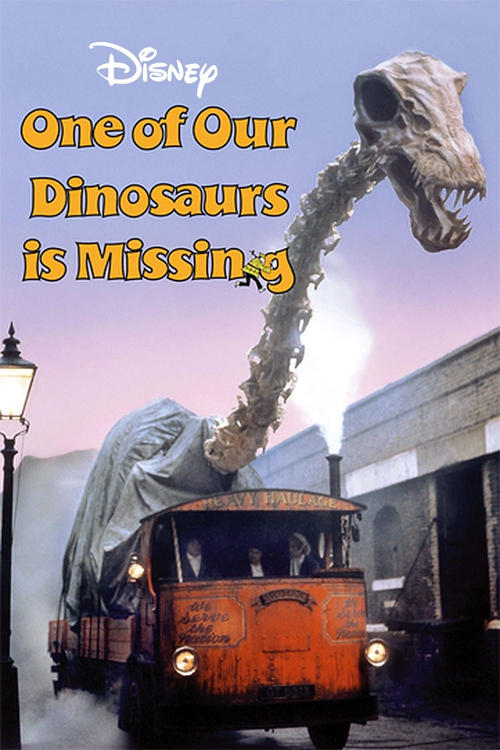
Spy Hunt
1950
No user ratings available yet
Representation score: 0.8 out of 10
Representation Score
Minimal
1975
GDirector
Robert Stevenson
Runtime
94 minutes
Average Rating
No ratings yetNew Showbiz Analysis
This 1975 adventure comedy adheres strictly to the social and narrative conventions of its era. It prioritizes classic clichés of mystery and theft over any meaningful exploration of identity or systemic issues. The film maintains a traditional hierarchy, with much of the ability to act concentrated in masculine roles or within a homogeneous Anglo-Saxon ensemble. While women participate in the comedic action, they do not disrupt established social structures. Ultimately, the work functions as a period-piece comedy that reinforces Western institutional norms rather than questioning them, resulting in a narrow scope of representation.
Category Breakdown
The film does not include any depictions of LGBTQ+ identities or relationships outside of traditional heterosexual ones. The focus is on espionage and museum theft, leaving no room for queer themes.
Female characters such as the nannies provide some ability to act through physical comedy. However, the high-stakes espionage plot relies on conventional masculine roles.
The story centers on a Western perspective in London. While Chinese spies play important roles, they are used as catalysts rather than fully developed characters with high ability to act.
The film reinforces traditional Western institutions like the British monarchy and the Natural History Museum. It follows a conventional moral framework focused on restoring order.
There is no evidence of characters with visible or invisible disabilities being central to the story. No disability-related ability to act is present in the narrative.
Present on Screen
Limited or Absent
Official Synopsis
Escaping from China with a microfilm of the formula for the mysterious "Lotus X", Lord Southmere, a Queen's Messenger, is chased by a group of Chinese spies.
1950
1964

1976

1991

1962
1965
1959

1965
No reviews yet. Be the first to share your thoughts on this movie!
Use the rating form above to leave a star rating and optional review.