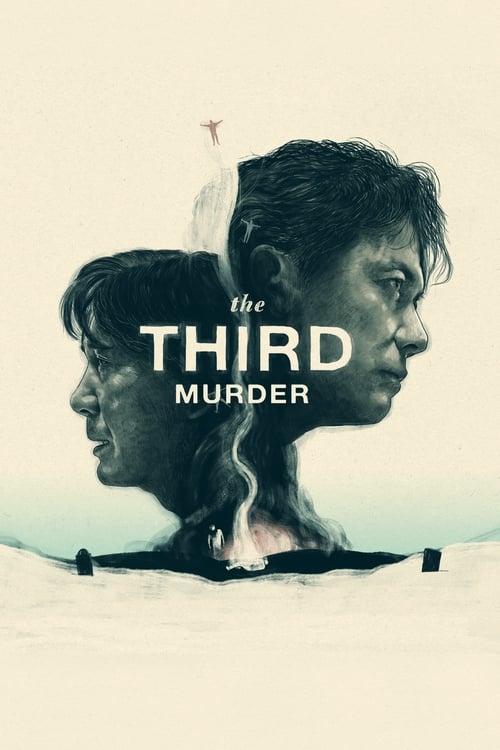
The Third Murder
2017
No user ratings available yet
Representation score: 3.1 out of 10
Representation Score
Limited
2025
Director
Jim Sheridan, David Merriman
Runtime
89 minutes
Average Rating
No ratings yetNew Showbiz Analysis
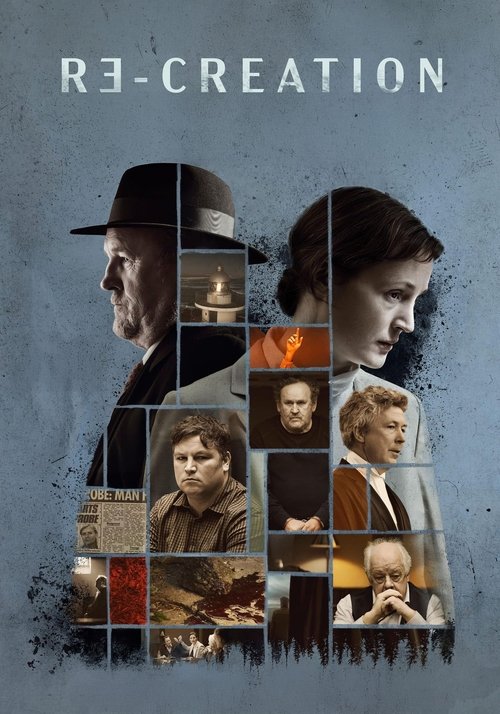
Re-Creation adapts the classic jury deliberation format to a real-world murder case. The ensemble cast provides a mixed-gender perspective, though the racial makeup remains largely undefined. The story prioritizes intellectual conflict over demographic variety. The absence of LGBTQ+ and disabled characters keeps the focus tight on the legal proceedings. While the true crime basis adds weight, the representation remains standard for the genre. The film relies on the dynamics between the twelve jurors to drive the plot forward. Overall, the work presents a balanced but conventional approach to diversity. It addresses a serious case without expanding into broader social commentary. The result is a focused narrative that leaves room for viewer interpretation.
Category Breakdown
No LGBTQ+ characters or same-sex relationships appear in the material. The story stays focused on the jury’s deliberation regarding the murder trial.
The jury includes both men and women, with Elena Spautz and Zahara Moufid serving as jurors. Their participation reflects a balanced gender mix among the twelve members.
The cast includes Colm Meaney and Aidan Gillen, suggesting a primarily white ensemble. No specific details about racial diversity among the other jurors are provided.
The film explores a courtroom drama based on a true crime case, focusing on justice and truth. It does not explicitly critique or promote specific cultural institutions beyond the legal system.
No characters with physical or mental disabilities are mentioned in the context. The narrative centers on the jury’s intellectual and moral deliberations.
Present on Screen
Limited or Absent
Official Synopsis
In a fictitious trial, twelve members of a jury must decide whether journalist Ian Bailey is guilty of the 1996 murder of French filmmaker Sophie Toscan Du Plantier. Based on real events, the film reconstructs, through the discussions between these twelve people, a case that ultimately invites the viewer to draw their own conclusions.
2017
2020
2023
2004
2010
2009
2007
2009
No reviews yet. Be the first to share your thoughts on this movie!
Use the rating form above to leave a star rating and optional review.