The Third Murder
2017
No user ratings available yet
Representation score: 3.1 out of 10
Representation Score
Fair
2004
Director
Kiyoshi Sasabe
Runtime
121 minutes
Average Rating
No ratings yetNew Showbiz Analysis
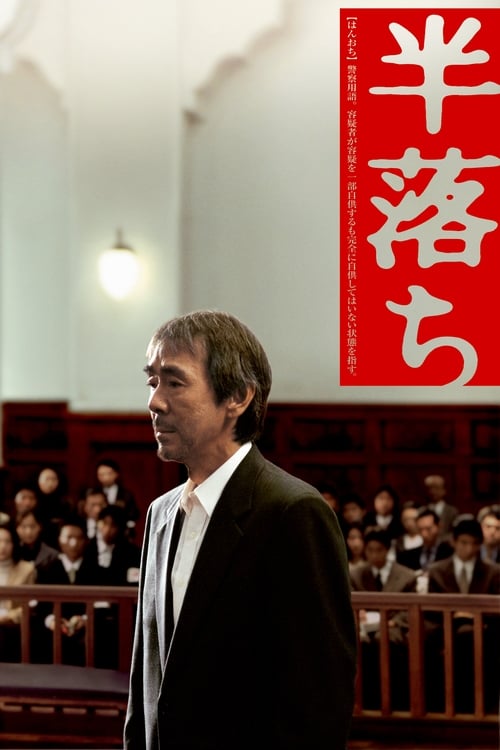
Half a Confession is a character-driven drama that prioritizes philosophical inquiry over demographic diversity. It functions as a moral study rather than a diverse ensemble piece. The narrative explores broader questions of mercy and bureaucracy through a specific domestic tragedy. However, the story lacks representation across several key categories, focusing instead on a homogeneous social setting and a traditional family structure.
Category Breakdown
The film does not include any LGBTQ+ characters or narratives. The central conflict revolves around a traditional marriage.
The story focuses on a domestic tragedy involving a husband and wife. The wife's end-of-life decision is crucial, but her identity is primarily defined by her medical condition.
This Japanese production reflects a homogeneous society. There is no evidence of diverse ethnic representation or multi-layered racial blending.
The film critiques institutional integrity by portraying the police as more focused on reputation than moral nuances. It delves into complex themes related to euthanasia and caregiving.
Alzheimer's disease serves as a catalyst for the plot. The film avoids clichés by addressing cognitive decline as a source of ethical complexity rather than inspiration.
Present on Screen
Limited or Absent
Official Synopsis
Half a Confession introduces itself as a thriller and abruptly changes gears, transforming into a tale of morality with deeper insights into its characters than we had anticipated. It begins when Soichiro Kaji (Terao), a retired detective, walks into police headquarters and confesses to the murder of his wife. We learn that the victim had prematurely developed Alzheimer's after the tragic death of their son, and in her suffering, had asked to die. The police chiefs would be far more content to take him at his word if it were not for a conspicuous hole in his story: 48-hour gap between the alleged murder and his confession. Fearing a public relations nightmare, they are eager to bury the incident and keep the press in the dark.
2017
2008
1993
2001

2017

2011
1986

2010
No reviews yet. Be the first to share your thoughts on this movie!
Use the rating form above to leave a star rating and optional review.