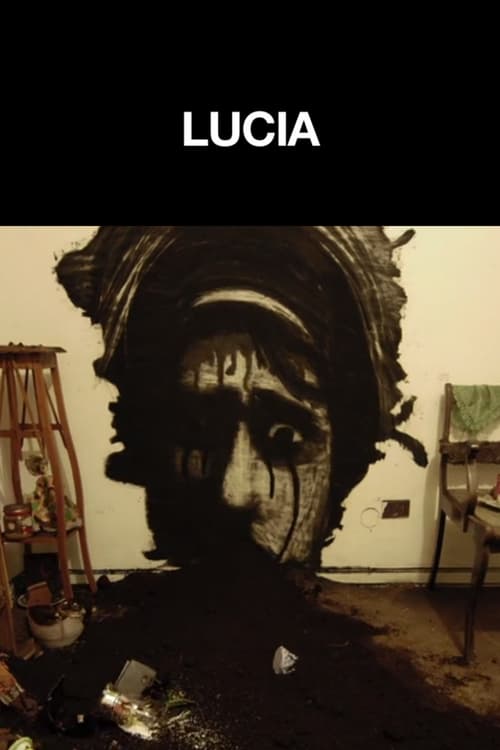
Lucía
2007
No user ratings available yet
Representation score: 6.2 out of 10
Representation Score
Fair
2008
Director
Cristóbal León, Joaquín Cociña, Niles Atallah
Runtime
4 minutes
Average Rating
No ratings yetNew Showbiz Analysis
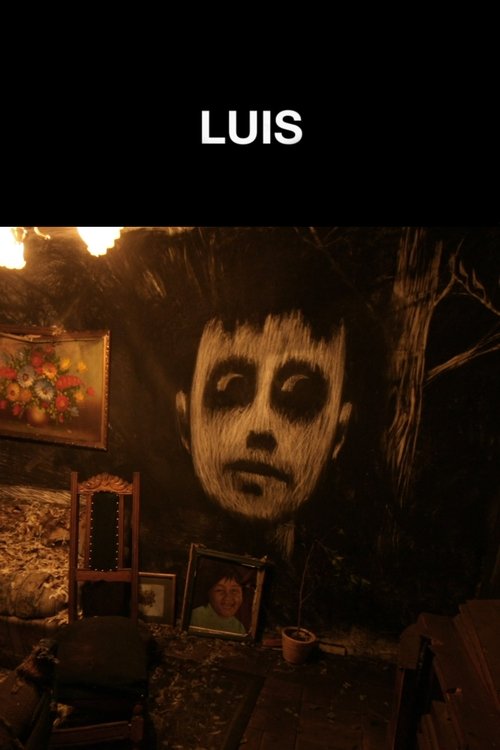
Luis is a work of formal disruption that rejects the polished aesthetics of mainstream animation. By using tactile, stop-motion textures, the creators explore psychological landscapes. The film's main contribution to diversity is its regional perspective. As a Chilean production, it offers a non-Western viewpoint that challenges globalized media homogeneity. While the narrative structure focuses on a traditional romantic storyline, the experimental genre serves to subvert standard storytelling and domesticity.
Category Breakdown
The film focuses on a romantic relationship between Luis and Lucía. There is no indication of LGBTQ+ identities within the story.
The story centers around a traditional romantic relationship. However, the surrealist horror style may challenge conventional gender roles through fragmented character development.
Set in the Chilean cinematic world, the film operates outside Western mainstream culture. Its non-Western cultural context disrupts the uniformity found in typical animated films.
The narrative emphasizes subjective, fragmented morality rather than institutional or religious beliefs. Its non-linear style critiques the linear progression typical of Western narratives.
There is no specific evidence regarding the portrayal of physical or neurodivergent disabilities in the film.
Present on Screen
Limited or Absent
Official Synopsis
Luis talks about his life in the forest and how he fell in love with Lucía.
2007
2018
2014
2022
1980
2018
2008
2007
No reviews yet. Be the first to share your thoughts on this movie!
Use the rating form above to leave a star rating and optional review.