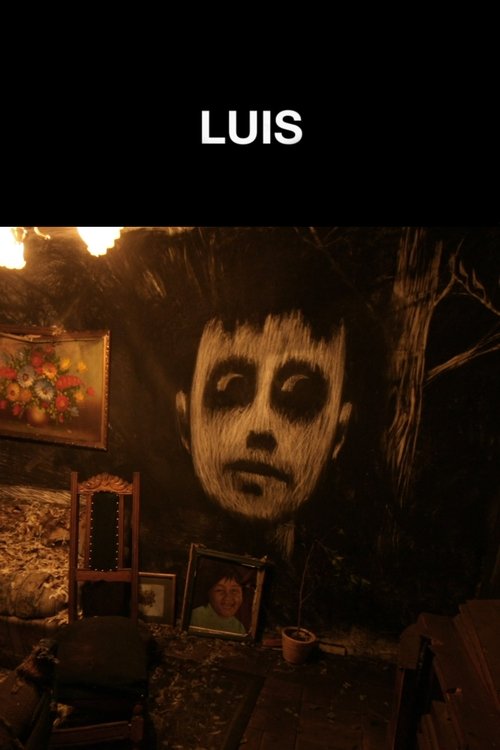
Luis
2008
No user ratings available yet
Representation score: 5.8 out of 10
Representation Score
Good
2007
Director
Niles Atallah, Cristóbal León, Joaquín Cociña
Runtime
4 minutes
Average Rating
No ratings yetNew Showbiz Analysis
Lucía stands as a significant entry in Chilean experimental animation, prioritizing internal emotional truths over mainstream cinematic conventions. Its strength lies in its departure from Western storytelling structures, using a fragmented, memory-based narrative to explore the protagonist's psyche. While the film succeeds in centering a female psychological perspective, it remains limited by a lack of explicit detail regarding non-assuming gender matches what was assigned at birth identities or disability representation. The narrative leans toward a traditional romantic framework, even if expressed through an avant-garde lens. Ultimately, the film's value is found in its refusal to adhere to polished, standardized genre clichés. It offers a unique, non-Western aesthetic that challenges the viewer to engage with subjective fear and memory.
Category Breakdown
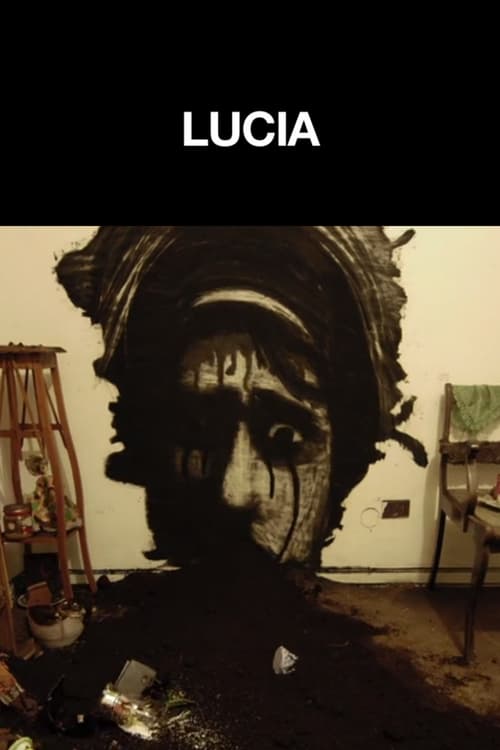
The story centers on the romantic relationship between Lucía and Luis. Although the framework seems oriented towards straight relationships, the experimental style highlights emotional intimacy rather than typical romance clichés.
Lucía's internal thoughts and fears shape the narrative. This focus on her subjective experience breaks away from the male-dominated perspective common in horror and drama.
Produced by Chilean filmmakers, the work offers a perspective outside Anglo-Saxon cinema. It prioritizes non-Western aesthetic traditions and narrative voices.
The film explores complex psychological themes such as memory and existential instability. It avoids didactic morality, favoring a deconstruction of traditional storytelling through genre blending.
The narrative provides no explicit evidence regarding the portrayal of physical or neurodivergent disabilities.
Present on Screen
Limited or Absent
Official Synopsis
Lucía remembers the summer when she fell in love with Luis and her fear of the dark.
2008
2018
2022
2014
1980
2017
2007
2017
No reviews yet. Be the first to share your thoughts on this movie!
Use the rating form above to leave a star rating and optional review.