
Same Love, Same Rain
1999
No user ratings available yet
Diversity score: 6.7 out of 10
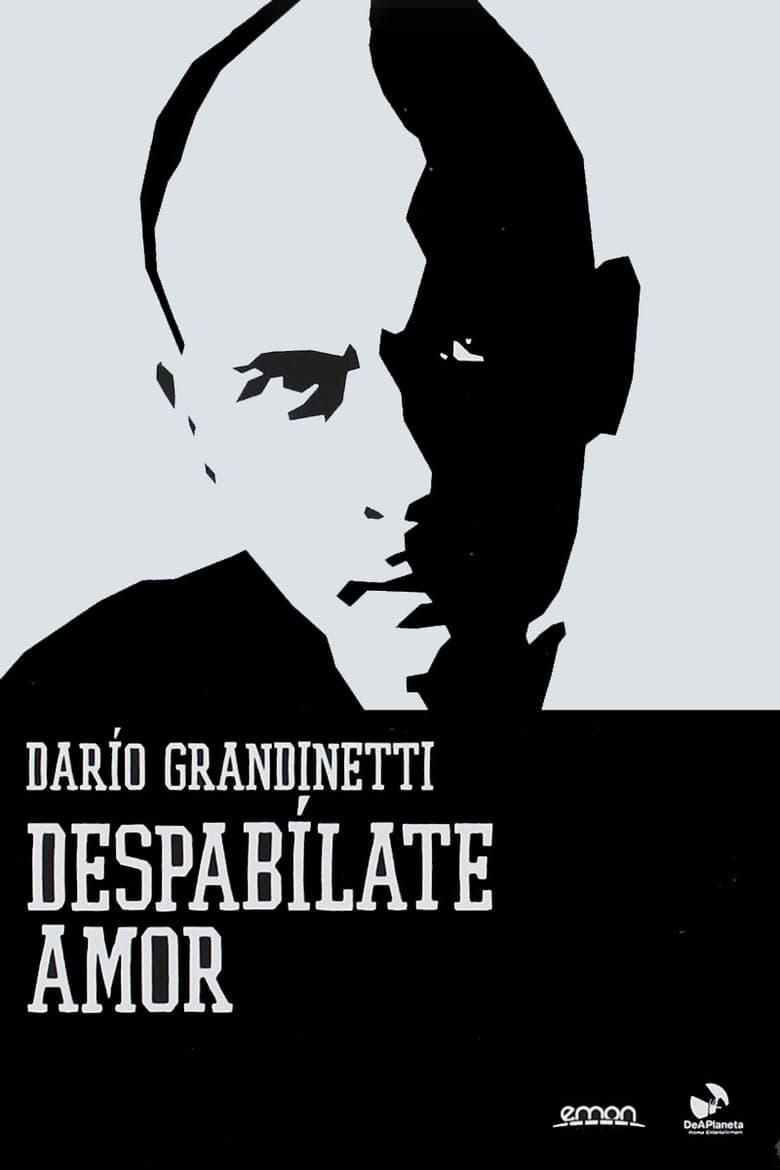
1996
PGDirector
Eliseo Subiela
Runtime
98 minutes
Average Rating
No ratings yetSynopsis
Ernesto is a journalist in his 40's who comes from a generation which encountered much political persecution and exile; between the memories and unhealed wounds of his past, stands Ernesto. When his good friend Ricardo calls him one day and proposes to get together after 25 years, they decide to gather all the members of the “old gang” in order to revive those old feelings the best way they know how, through some good old rock n' roll. Amongst one of Ernesto's encounters is Ana, an old love who will bring a twisting unexpected turn into his life. The old gang is comprised of Ricardo's depressive, hypochondriac wife Ana and her socially-conscious former lover Ernesto, a journalist who left Ana years ago to pursue his political ideologies in socialist Cuba.
Overall Score
Fair
Category Breakdown
LGBTQ+ Representation
The film explores non-traditional romantic histories and shifting loyalties. It suggests a departure from heteronormative stability through unexpected romantic turns and deconstructed emotional bonds.
Gender Representation
Female characters possess significant psychological complexity. Ana is portrayed with internal agency through her struggles with depression and hypochondria, avoiding the typical muse archetype.
Racial & Ethnic Diversity
The film offers a vital non-Western perspective on identity. It centers experiences shaped by Latin American political volatility within a specific Argentine cultural context.
Religious & Cultural Diversity
The narrative engages deeply with anti-capitalist and socialist frameworks. It critiques Western political hegemony by centering the protagonist's history of political engagement in Cuba.
Disability Representation
Mental health is addressed through Ana's depressive and hypochondriac traits. These invisible struggles are used to influence the film's interpersonal dynamics.
Strengths
Areas for Improvement
AI Analysis
Wake Up Love is a character-driven study of how political history and personal memory intersect. It succeeds by centering the 'outsider' experience, using the protagonist's history of exile and socialist ideology to challenge standard Western cinematic tropes of domestic stability. The film provides a nuanced look at psychological complexity, particularly through its female characters. By moving beyond simple romantic archetypes, it allows for a more textured exploration of human connection and trauma. However, the film's approach to disability and identity remains somewhat tied to plot tension. While it offers a non-Western perspective, it operates within a specific regional framework rather than a broad multi-ethnic one.
1999

2019

2010
1992

2018

2012

2016

2007

1995
2019

2007
1992
No reviews yet. Be the first to share your thoughts on this movie!
Use the rating form above to leave a star rating and optional review.