Hollywood Sins
2000
No user ratings available yet
Representation score: 2.6 out of 10
Representation Score
Good
2000
RDirector
Bernard Rose
Runtime
94 minutes
Average Rating
No ratings yetNew Showbiz Analysis
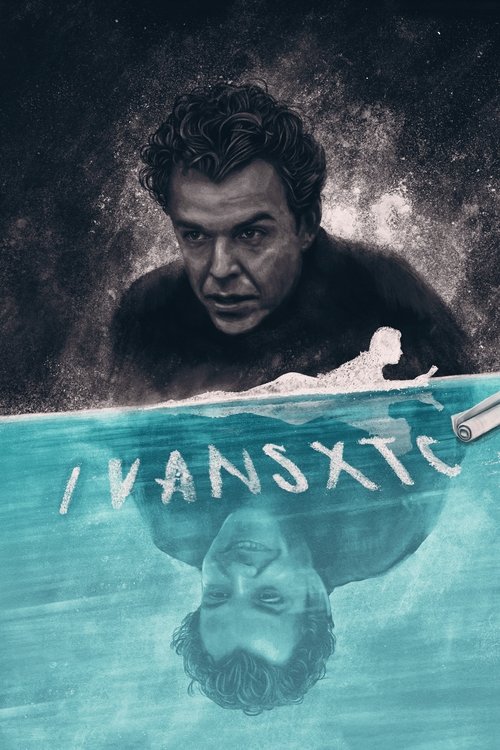
Ivan's XTC is a postmodern critique of media saturation and the commodification of identity. It uses a fragmented structure to deconstruct the relationship between individuals and celebrity icons, emphasizing urban alienation over traditional hero narratives. The film successfully challenges capitalist values and the moral order of Western celebrity culture. It highlights the fractured reality of a consumerist society through the protagonist's erratic behavior. However, it lacks significant representation of LGBTQ+ identities or racial diversity, making the social landscape more homogeneous.
Category Breakdown
The film doesn't have clear stories focused on LGBTQ+ identities. The protagonist's obsessions are shown as psychological issues rather than queer identities.
The story challenges traditional power dynamics between a male protagonist and a female celebrity. However, the narrative stays centered on the male perspective and his obsession.
Set in an urban London, the film focuses on economic decline. It doesn't show significant diversity or consider multiple aspects of identity.
The film critiques Western consumerism and the allure of fame. It offers a detailed look at the negative impact of celebrity culture and institutionalized glamour.
The story examines behaviors linked to neurodivergence through the protagonist's unstable behavior. These traits are handled with care, but sometimes used as a stylistic device.
Present on Screen
Limited or Absent
Official Synopsis
Ivan Beckman, Hollywood's most sought-after talent agent, the darling and crown prince of La La Land, is dead. How and why did it happen? Was it drugs, murder, or perhaps something altogether more mundane? We begin with an ending and then catapult back a number of days to the apex of Ivan's brilliant career as he bags international megastar Don West onto his company's books. We then follow Ivan through the highs, lows, and extreme excesses of his final days.
2000

1982
2005
1982
2009
2001

2013

1983
No reviews yet. Be the first to share your thoughts on this movie!
Use the rating form above to leave a star rating and optional review.