The Wild Bees
2001
No user ratings available yet
Representation score: 3.8 out of 10
Representation Score
Limited
1984
Director
Jiří Menzel
Runtime
83 minutes
Average Rating
No ratings yetNew Showbiz Analysis
The film presents a lyrical, humanistic study of village life, emphasizing the eccentricities of individuals over institutional structures. It challenges traditional patriarchal norms by showing men in passive, domestic roles. However, the film's demographic homogeneity limits its representation of racial, ethnic, and LGBTQ+ diversity, reflecting the specific social constraints of 1984 Czechoslovakia. Ultimately, the film's strength lies in its cultural critique. By presenting the state as a disruptor of communal happiness, it highlights the value of ordinary, local lives.
Category Breakdown
The film focuses on male social circles, such as hunting and cycling. There are no LGBTQ+ characters or representations of non-straight relationships in the village setting.
Women are primarily shown in domestic roles, with one woman appearing to be controlled by her husband and daughter. The portrayal suggests a passive role for women in the household.
The setting reflects the demographic uniformity of a 1984 Czechoslovak village. The cast and environment appear ethnically consistent, fitting the specific historical and geographic context.
The narrative emphasizes local identity and communal joy, critiquing authority figures through eccentric characters' interactions with local police.
There is no mention of characters with visible or invisible disabilities in the provided plot details and character descriptions.
Present on Screen
Limited or Absent
Official Synopsis
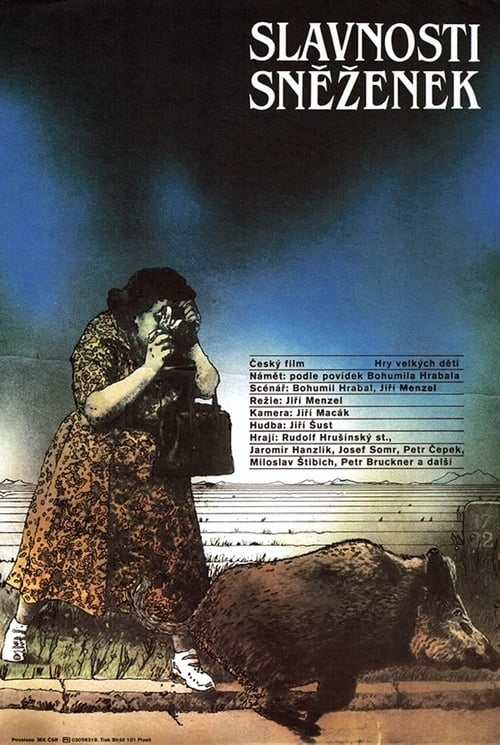
An episodic film about the inhabitants of Kersko, their hardships and their joys, most prominently hunting. A lyrical and humorous adaptation of writings by Bohumil Hrabal.
2001
1966
1990
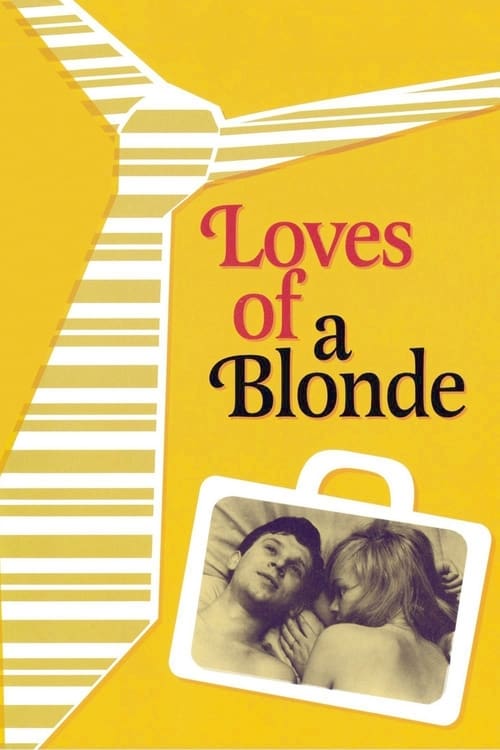
1965
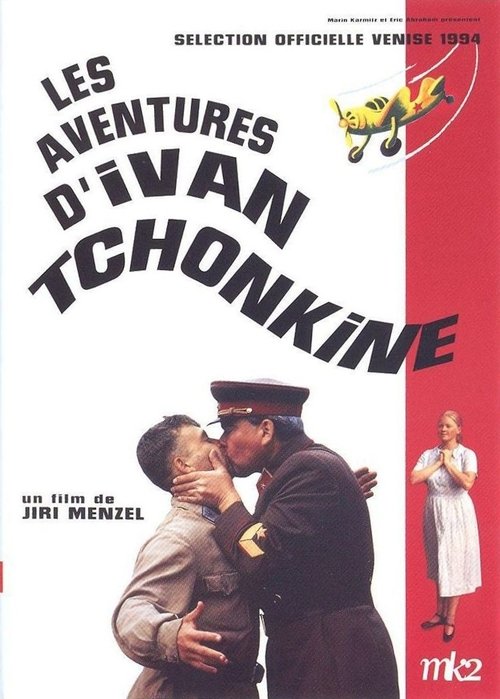
1994
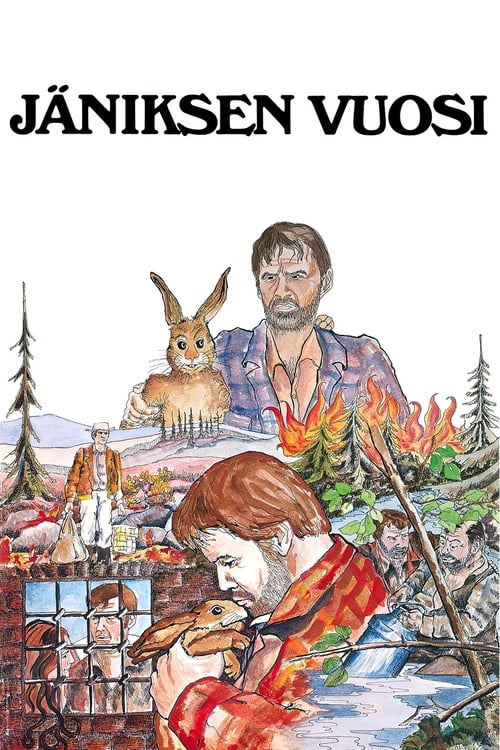
1977
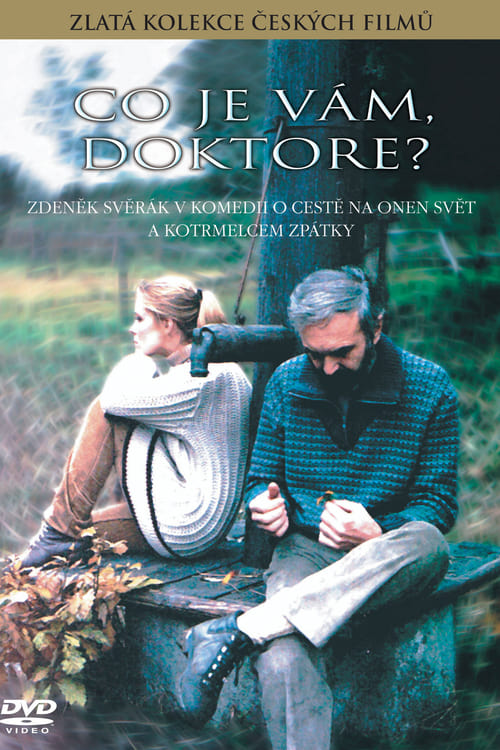
1985
1995
No reviews yet. Be the first to share your thoughts on this movie!
Use the rating form above to leave a star rating and optional review.