Volcano
2018
No user ratings available yet
Representation score: 5.3 out of 10
Representation Score
Good
1995
Director
Martin Šulík
Runtime
99 minutes
Average Rating
No ratings yetNew Showbiz Analysis
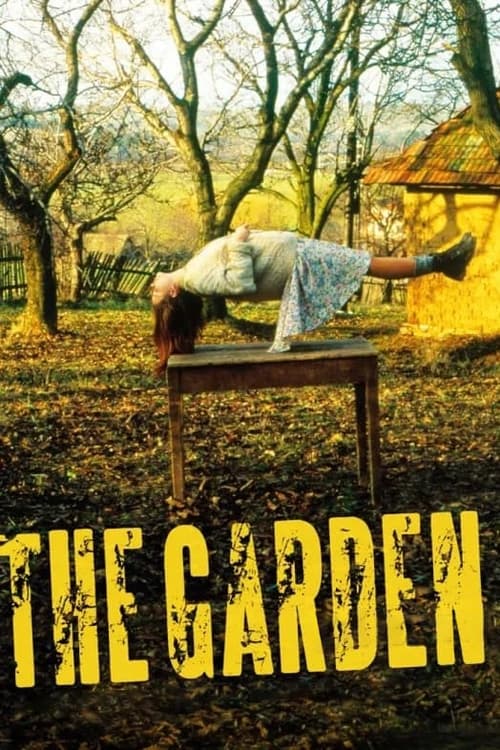
The Garden is a work of magical realism that prioritizes philosophical exploration over demographic variety. It successfully deconstructs traditional social hierarchies, particularly those related to masculinity and institutional structures. By rejecting the urban workforce and patriarchal duties, the protagonist achieves a liberated, albeit surreal, existence. However, the film's diversity is limited by its homogeneous setting and lack of explicit representation for LGBTQ+ or neurodivergent identities. Its focus on a specific regional context restricts its multicultural scope. Ultimately, the film's strength lies in its thematic subversion of societal roles rather than its broad representation of human diversity.
Category Breakdown
The film doesn't explicitly address queer identities or narratives. The protagonist's pursuit of a surreal love with an angel focuses on existential themes rather than specific critiques of sexual orientation.
Jakub challenges traditional masculine roles by rejecting patriarchal expectations and the provider stereotype. However, female characters often act as catalysts for his growth rather than having their own independent stories.
The film's setting is predominantly Slovakian and rural, reflecting a homogeneous demographic. The focus on regional identity doesn't challenge broader cinematic norms.
Magical realism is used to explore spiritual ambiguity rather than strict religious dogma. The narrative critiques the nuclear family and workplace, favoring a symbiotic relationship with nature.
There is no prominent depiction of physical or neurodivergent disabilities. The protagonist's struggles are framed as philosophical and existential issues rather than clinical conditions.
Present on Screen
Limited or Absent
Official Synopsis
Jakub's life arrived at a dead-end. He leaves his job, and gets into conflict with his father. The trouble just grows by his relation with a married woman. Breaking out, Jakub realizes the pleasures of the countryside in the old garden of his grandfather. He finds true love with an angel, and encounters various exciting moments of his new free life. Strange visitors arrive, and he wont get back to town anymore.
2018
1965

1988

2007
2005
2012
1995

1983
No reviews yet. Be the first to share your thoughts on this movie!
Use the rating form above to leave a star rating and optional review.