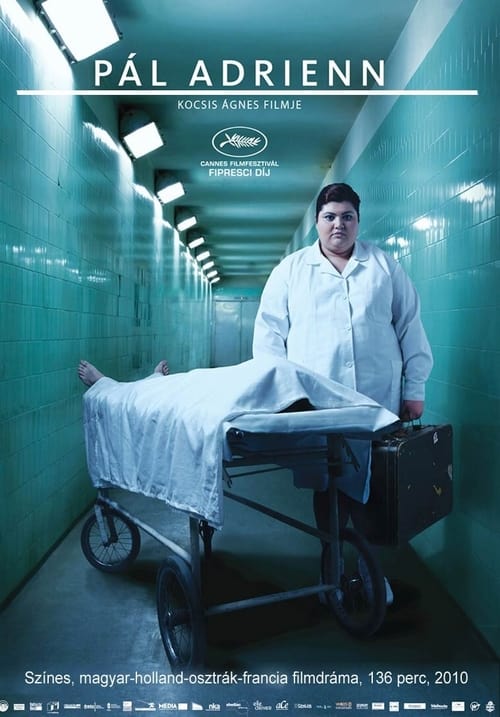
Adrienn Pál
2011
No user ratings available yet
Representation score: 7.0 out of 10

Representation Score
Good
2011
TV-MADirector
Urszula Antoniak
Runtime
81 minutes
Average Rating
No ratings yetNew Showbiz Analysis
Code Blue is a psychological drama that deconstructs traditional moral and social hierarchies. It centers on a female protagonist who transitions from professional duty to a state of transgressive autonomy, challenging the cliché of the nurturing woman. The film's strength lies in its willingness to explore moral relativism and the critique of institutional authority. By focusing on the protagonist's internal impulses and her role as a 'redeemer,' the narrative pushes against conventional social orders. However, the film lacks clarity regarding racial and ethnic diversity. While it engages deeply with existential themes, it offers little information regarding the specific identities or backgrounds of the characters involved.
Category Breakdown
The film examines intense, unconventional emotional connections that challenge traditional romantic structures. Although specific identities are not explicitly confirmed, the narrative emphasizes surrendering to human needs and fascination with others.
Marian subverts the passive caregiver archetype by exercising dark, transgressive autonomy. She is a powerful figure who dictates life and death, challenging traditional gender hierarchies.
Insufficient evidence exists to determine the racial composition of the cast. The narrative prioritizes psychological and existential themes over overt explorations of ethnic identity.
The film critiques Western institutional norms by framing euthanasia as a form of redemption. It prioritizes individual impulse and subjective morality over religious or medical sanctity-of-life doctrines.
The plot centers on the gravely ill, using their terminal conditions as catalysts for the protagonist's development. This creates a complex engagement with the ability to act of those facing death.
Present on Screen
Limited or Absent
Official Synopsis
Marian, a middle aged nurse, devotes herself to her patients like a saint. Sometimes she even takes on the role of a redeemer, by helping the gravely ill to the soothing order of ultimate silence. When she gets linked to a neighbor in an act of common voyeurism, she becomes fascinated by him. Faced with the fragility of these newfound emotions, Marian surrenders to her human needs.
2011

1989

2015

2017

2013

2007

2002

2011
No reviews yet. Be the first to share your thoughts on this movie!
Use the rating form above to leave a star rating and optional review.