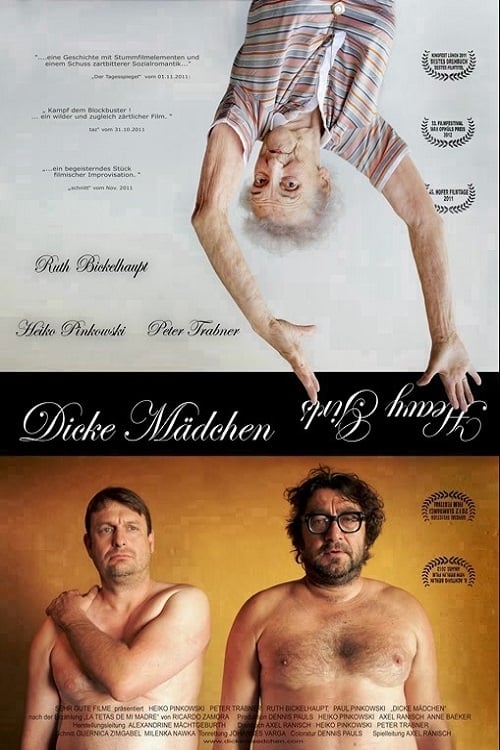
Heavy Girls
2012
No user ratings available yet
Representation score: 8.3 out of 10
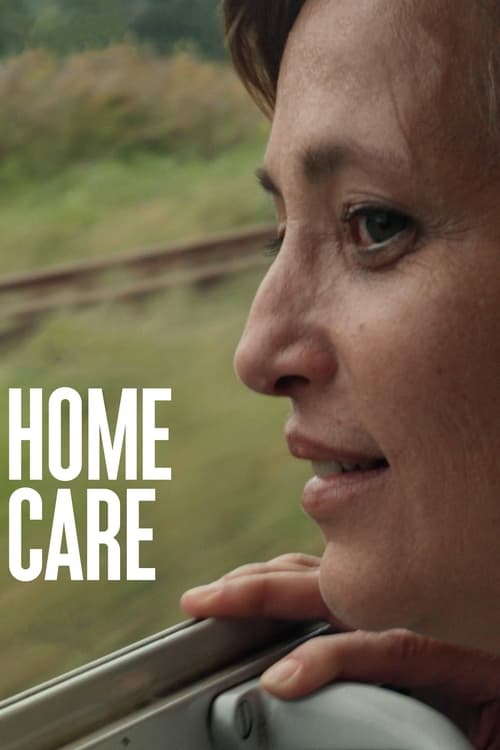
Representation Score
Fair
2015
Director
Slávek Horák
Runtime
92 minutes
Average Rating
No ratings yetNew Showbiz Analysis
Home Care is a sophisticated examination of bioethics that finds its strength in narrative complexity rather than broad demographic diversity. While the film adheres to traditional boundaries regarding race and sexual orientation, it offers a profound critique of institutional authority. The film succeeds by focusing on the struggle for individual autonomy against the impersonal nature of medical and religious systems. It treats terminal illness as a lived experience rather than a mere plot device, offering a meaningful exploration of bodily autonomy. Ultimately, the work prioritizes deep philosophical engagement with the complexities of human suffering and the ethics of assisted suicide over broad demographic representation.
Category Breakdown
The film does not feature any prominent LGBTQ+ characters or explore non-straight relationships. Instead, it focuses on traditional heterosexual family dynamics and end-of-life care.
Vlasta’s role as a caregiver offers a nuanced perspective on gender roles. However, the central ethical conflict is driven by male control, reinforcing traditional patriarchal structures in decision-making.
The cast is primarily composed of white actors, reflecting the Czech setting. There are no deliberate attempts to diversify the ethnic composition of the Central European region.
The story effectively challenges rigid religious and legal moralities surrounding euthanasia. It emphasizes personal, situational ethics over institutionalized moral codes.
Terminal illness and physical frailty are portrayed with significant depth. The film avoids clichéd inspirational stories, instead using the reality of illness to drive the story’s ethical and philosophical core.
Present on Screen
Limited or Absent
Official Synopsis
Dedicated home care nurse Vlasta attends her whimsical patients in Czech wine country and lives for her husband Lada and her daughter, but one day things change and Vlasta is forced to reach outside of her comfort zone. Drama and gentle humor intertwine as Vlasta realizes, for the first time in her life, that she might need some care, too.
2012
2016

2016

2001
1984
2021
2012
1995
No reviews yet. Be the first to share your thoughts on this movie!
Use the rating form above to leave a star rating and optional review.