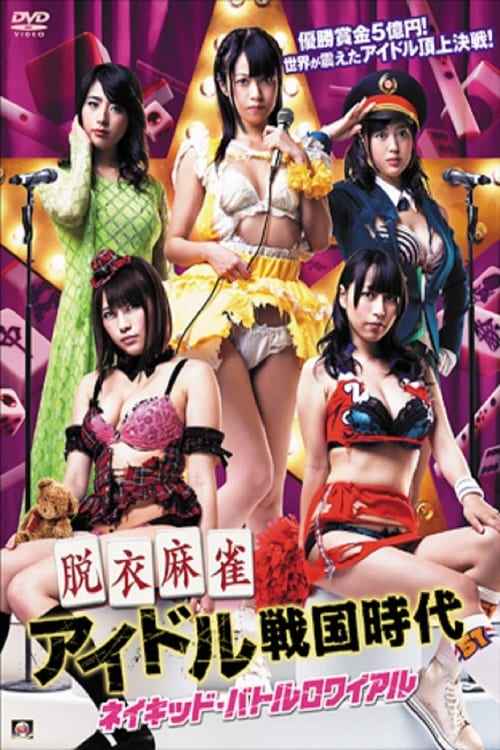
Strip Mahjong Idol Sengoku Era
2015
No user ratings available yet
Representation score: 3.2 out of 10
Representation Score
Minimal
2011
Not RatedDirector
Mac P. Forever
Runtime
77 minutes
Average Rating
No ratings yetNew Showbiz Analysis
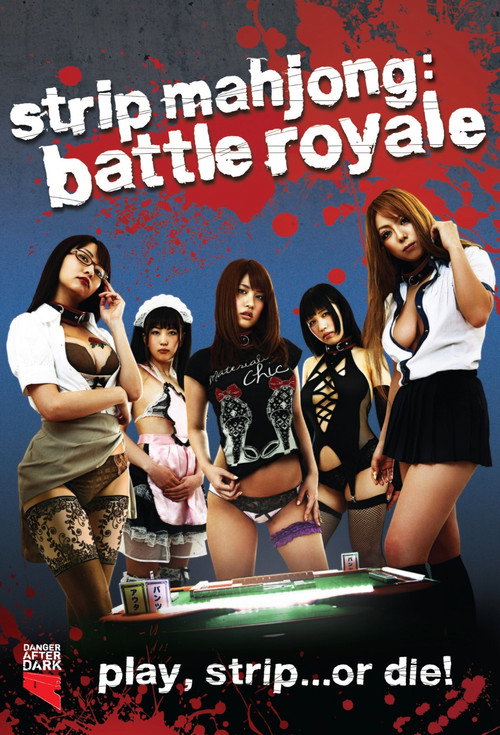
Strip Mahjong: Battle Royale adheres strictly to the conventions of the sexploitation genre. The narrative uses a high-stakes death game to facilitate voyeurism, where the stripping of clothing serves as a mechanism for exposure and loss of autonomy. While the film centers on Japanese women, it lacks depth in exploring multiple aspects of identity. The characters' ability to drive the story is limited by a rigged system of punishment, reinforcing traditional power hierarchies and the male gaze rather than challenging them. Ultimately, the film prioritizes spectacle over character development. It functions as a closed loop of eroticized competition with minimal engagement with broader social or identity-based narratives.
Category Breakdown
The film does not include any representation of non-binary or transgender identities. It focuses on a traditional gender framework designed for heterosexual viewers.
Women play central roles, but their ability to drive the story is limited by the game's punishing mechanics. They are primarily treated as objects of visual consumption.
The cast is made up of Japanese women, creating a homogeneous ethnic group. However, the film uses this demographic as a stylistic element without delving into nuanced storytelling.
The story prioritizes a voyeuristic experience over cultural critique. The mahjong game serves as a ritualistic system of punishment rather than a meaningful cultural exploration.
There is no representation of characters with visible or invisible disabilities. The competitive setting does not address neurodivergence or physical health issues.
Present on Screen
Limited or Absent
Official Synopsis
Let the ultimate sexy death games begin! A handful of mysterious Japanese women take part in a deranged web show that makes them strip off their clothes when they lose a round of Mahjong. When there is nothing left to hide, the losers secrets are revealed and the nubile contestants must take their punishment. Can anyone survive, or keep their clothes on, in the dangerous game of STRIP MAHJONG: BATTLE ROYALE? Gleefully adding a risqué, wry twist to an ancient game of strategy, this erotic thriller delivers voyeuristic thrills with the friskiness of Seventies sexploitation flicks, providing strange gameplay at every turn!
2015
2011
1986
2014
2016
2010

2009
2012
No reviews yet. Be the first to share your thoughts on this movie!
Use the rating form above to leave a star rating and optional review.