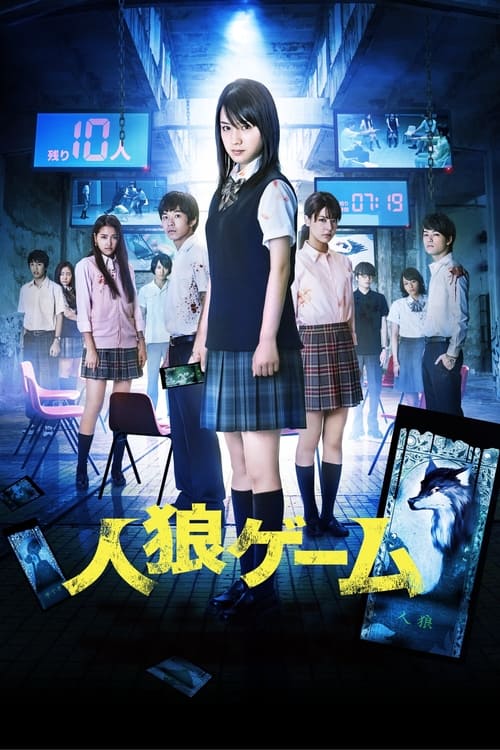
The Werewolf Game: The Villagers Side
2013
No user ratings available yet
Representation score: 3.1 out of 10

Representation Score
Limited
2014
Director
Izuru Kumasaka
Runtime
110 minutes
Average Rating
No ratings yetNew Showbiz Analysis
The film prioritizes psychological tension and genre clichés over diverse representation. It functions primarily within the traditional demographic frameworks common to Japanese teen thrillers. While the female lead demonstrates high ability to act and subverts passive female roles, the cast remains demographically homogeneous. The narrative is driven by the mechanics of the 'Jinrou' game rather than social commentary. Ultimately, the work serves the horror genre's requirements for survival and deception rather than addressing broader social or identity-based themes.
Category Breakdown
The film centers on a social deduction game among high school students. There are no LGBTQ+ characters or critiques of the assumption that everyone is straight or cisgender.
Yuka Kabayama is a proactive female protagonist who plays a significant role in driving the story. She departs from traditional passive female archetypes by embracing her predatory role.
Set in a Japanese high school, the cast reflects a homogeneous demographic. The production does not make efforts to disrupt ethnic norms or utilize casting actors with diverse backgrounds.
The story explores moral relativism through a localized social game. It lacks broader critiques of religion or Western institutions, focusing instead on situational ethics.
The narrative provides no information regarding characters with visible or invisible disabilities.
Present on Screen
Limited or Absent
Official Synopsis
10 high school students including Yuka Kabayama are suddenly led to a room and must play the jinrou game. Yuka Kabayama has the jinrou card. She has to hide that fact and kill the players who have the citizens cards one by one. Yuka Kabayama gets excited by her situation.
2013

2012
2016

2014
2017
2011

2017
2015
No reviews yet. Be the first to share your thoughts on this movie!
Use the rating form above to leave a star rating and optional review.