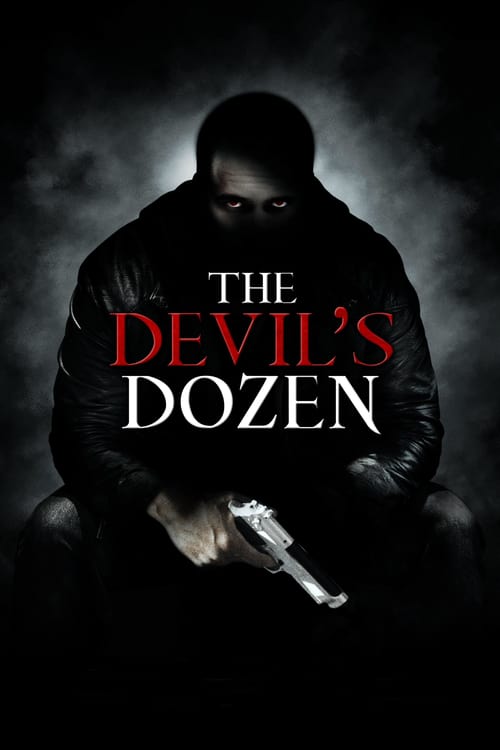
The Devil's Dozen
2013
No user ratings available yet
Diversity score: 3.8 out of 10
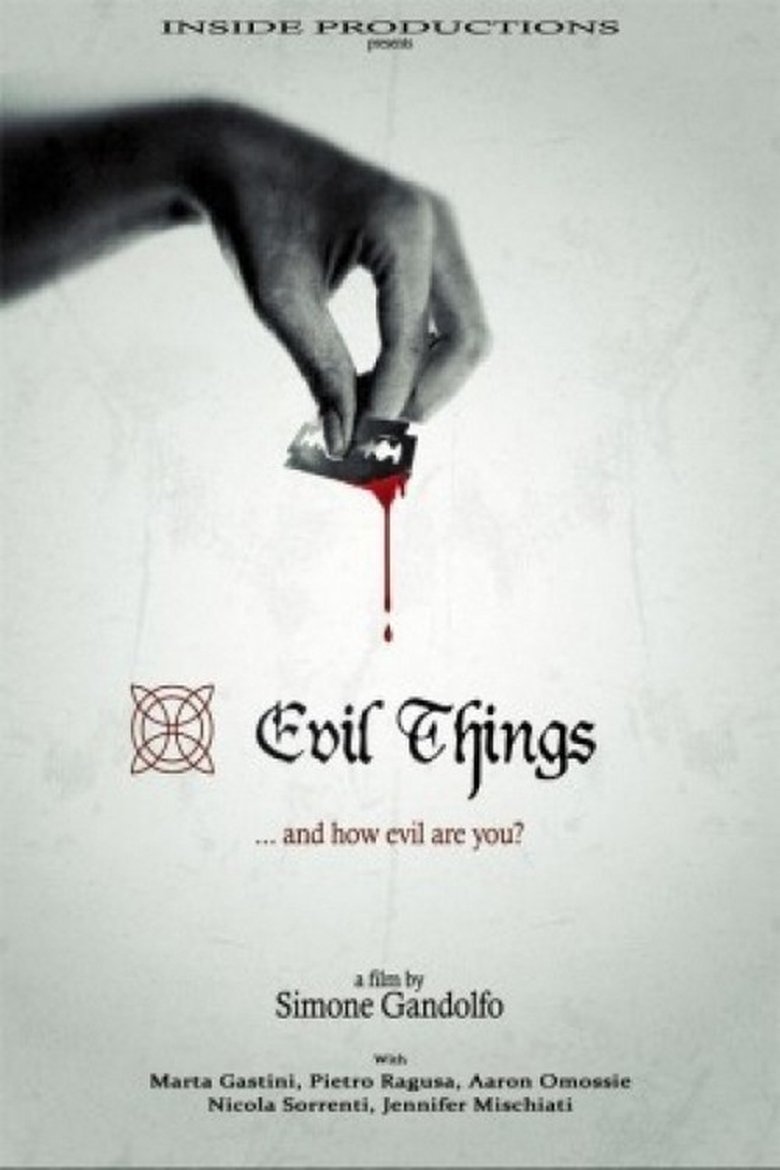
2012
Director
Simone Gandolfo
Average Rating
No ratings yetSynopsis
Four kids take part in a pervert game - a torturer, the blog's master, four victims, none of them really innocent.
Overall Score
Limited
Category Breakdown
LGBTQ+ Representation
The film lacks explicit mention of queer identities or non-heteronormative narratives. While the plot explores transgressive sexuality through a 'pervert game,' it is unclear if this critiques social norms or relies on deviance as a horror trope.
Gender Representation
A notable female presence in the cast suggests a gender-balanced ensemble. However, the power dynamics between victims and a master may reinforce traditional tropes of female vulnerability despite the subversion of character innocence.
Racial & Ethnic Diversity
The cast includes ethnic variety, specifically through actors like Jun Ikicawa and Aaron Omossiese. This indicates a departure from homogeneous casting, though the depth of these roles within the genre remains unverified.
Religious & Cultural Diversity
The story focuses on moral relativism and the deconstruction of good versus evil. It lacks an explicit systemic or anti-institutional critique, centering instead on individual transgressions and postmodern moral ambiguity.
Disability Representation
There is no evidence of characters with visible or invisible disabilities within the film's documentation.
Strengths
Areas for Improvement
AI Analysis
Evil Things functions as a character-driven thriller that leans heavily on moral ambiguity. The narrative deconstructs the concept of innocence, suggesting that none of the participants are truly blameless, which provides a layer of psychological complexity. While the casting shows some progress through ethnic variety and a balanced gender ensemble, the film lacks clear evidence of identity-driven storytelling. The focus remains on individual deviance rather than broader social or systemic representation. Ultimately, the work provides a baseline for inclusion through its cast but fails to establish a documented history of progressive narrative architecture or deep thematic diversity.
2013
2015
2017
2014
2018

2007

2014
2006
2014
2012
2015
2014
No reviews yet. Be the first to share your thoughts on this movie!
Use the rating form above to leave a star rating and optional review.