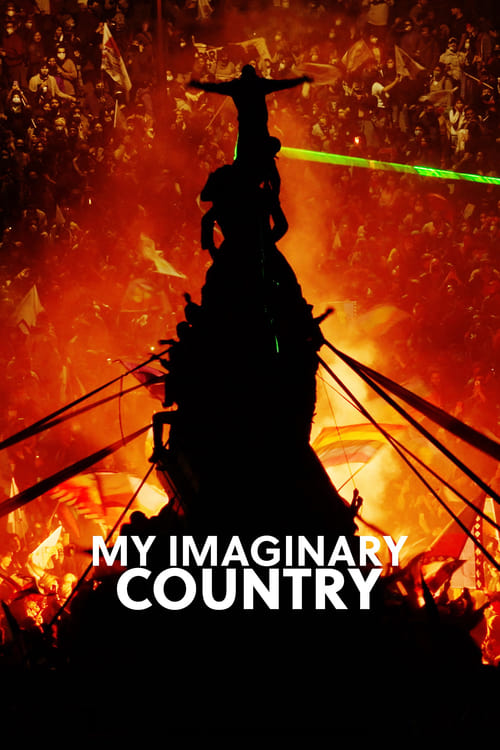
My Imaginary Country
2022
No user ratings available yet
Representation score: 8.4 out of 10

Representation Score
Excellent
2019
Director
Eliza Capai
Runtime
93 minutes
Average Rating
No ratings yetNew Showbiz Analysis
Eliza Capai’s documentary excels by decentralizing authority, using student-led footage to prioritize voices often excluded from mainstream discourse. By focusing on the youth-led occupations in São Paulo, the film provides a powerful look at identity-driven mobilization. The work is particularly strong in its depiction of gender and racial diversity. It moves beyond homogeneous presentations to show women and students of color driving the political momentum against systemic oppression. While the film is a profound critique of institutional power, it lacks specific thematic focus on disability or dedicated LGBTQ+ arcs. It captures these identities as part of a broader social fabric rather than through specialized lenses.
Category Breakdown
The film captures organic social movements that include diverse gender expressions. While the focus remains on political occupations, the many-voiced protests provide a platform for queer perspectives within the collective struggle.
The documentary disrupts traditional hierarchies by centering young women as organizers and strategic leaders. It highlights women's ability to drive the story, challenging patriarchal structures of political mobilization and leadership.
The footage showcases a multi-ethnic coalition of students, reflecting Brazil's racial reality. It frames racial identity as a core component of the struggle against systemic economic crises.
The film serves as a critique of state institutions and traditional nationalism. It celebrates anti-establishment sentiment and the necessity of rebellion against a corrupt status quo.
There is limited evidence of intentional centering of neurodivergent or physically disabled activists. The movement's inclusive nature suggests social accessibility, but disability is not a primary thematic pillar.
Present on Screen
Limited or Absent
Official Synopsis
When numerous schools in São Paulo were slated to be closed in 2015 as a result of the worsening socio-political crisis, students occupied more than a thousand public buildings in an unprecedented act of self-empowerment. Filmmaker Eliza Capai shows the development of the many-voiced protests, using news excerpts, self-conducted interviews and recordings made with activists’ own cell phone cameras. From the first demonstrations in 2013 and continuing all the way to the election of the extreme right-wing presidential Jair Bolsonaro in 2018, Capai’s highly political work becomes more and more relevant with each passing day.
2022

2013
2014
2019
2019
2015

2013

2020
No reviews yet. Be the first to share your thoughts on this movie!
Use the rating form above to leave a star rating and optional review.