
Your Turn
2019
No user ratings available yet
Representation score: 9.6 out of 10
Representation Score
Good
2014
Director
João Wainer
Runtime
72 minutes
Average Rating
No ratings yetNew Showbiz Analysis
João Wainer’s documentary shifts the focus from state-controlled institutions to the collective power of Brazilian citizens. By capturing the 2013 uprisings, the film highlights a period of significant social change and challenges established power structures. The film excels in offering a non-Western perspective, emphasizing the struggles of the working class against systemic corruption and excessive public spending. This approach critiques globalized economic systems and the misuse of public funds. However, the film’s emphasis on large-scale socio-economic issues means that specific identity-focused narratives, such as those centered on LGBTQ+ or disability, are not central to the storytelling.
Category Breakdown
The film emphasizes large-scale political movements rather than focusing on specific LGBTQ+ characters. While protests include various social groups, LGBTQ+ identities are not the main storyline.
The documentary highlights the ability to act of women by showing a movement where leadership is not restricted to traditional male roles. It challenges conventional political decision-making by depicting broad public involvement.
The film centers on a non-Western demographic, highlighting the diverse racial makeup of Brazil’s urban areas. It focuses on the experiences of underrepresented working-class communities often overlooked in official narratives.
The narrative critically examines Western-aligned capitalist structures and state institutions. It prioritizes the needs of the population over globalized capital and the hype around the World Cup.
There is no specific mention of how individuals with disabilities are portrayed in the documentary.
Present on Screen
Limited or Absent
Official Synopsis
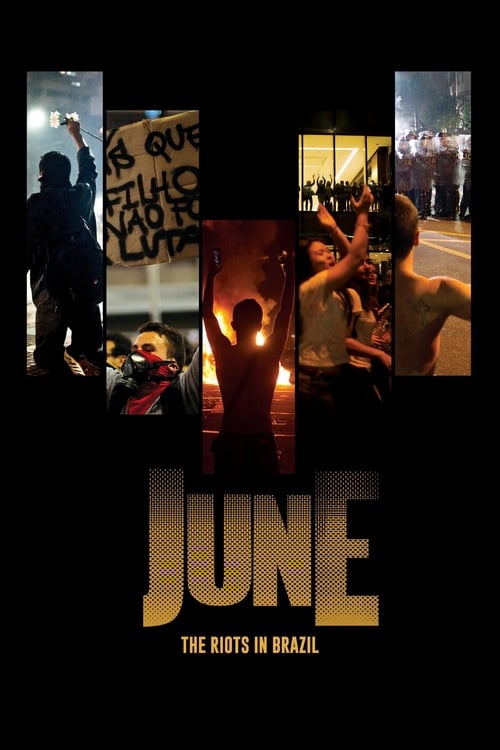
In the month of the Brazil World Cup, the documentary shows how the demonstrations against an increase in public transportation fares in São Paulo in June of 2013, evolved to national scale, reaching hundreds of cities. The movement took over one million people to the streets and it became an uprising against corruption, the lack of public services and the copious spendings on the World Cup. The film proposes a reflection on the changes conquered by protesters and asks the question: will tomorrow be bigger?
2019
2002
2013

2013
2019
2015

2014
2022
No reviews yet. Be the first to share your thoughts on this movie!
Use the rating form above to leave a star rating and optional review.