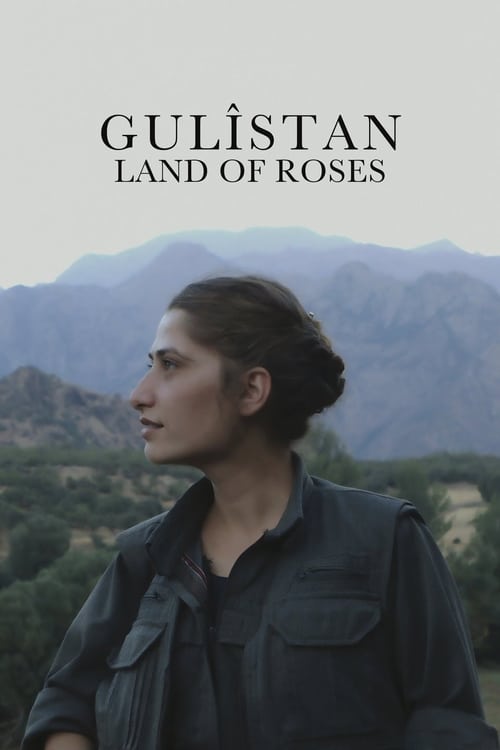
Gulîstan, Land of Roses
2016
No user ratings available yet
Representation score: 7.1 out of 10
Representation Score
Fair
2022
Director
Zaynê Akyol
Runtime
128 minutes
Average Rating
No ratings yetNew Showbiz Analysis
Rojek stands as a significant piece of non-Western cinema that shifts the documentary focus from external observation to internal testimony. By centering Kurdish perspectives, it gives a voice to subjects often sidelined in global discourse. The film’s main strength lies in its ability to disrupt conventional geopolitical narratives through a localized lens. It emphasizes the complexities of identity and systemic conflict over simplified moral binaries. However, the film’s heavy focus on political and militant discourse leads to a lack of representation for LGBTQ+ identities and specific gendered storylines. The documentary’s scope is deeply rooted in the specific socio-political realities of the Middle East.
Category Breakdown
The film doesn't explicitly mention LGBTQ+ characters or stories. Its focus is on political and ideological debates among imprisoned militants, which might prioritize conflict over identity.
Gender dynamics aren't clearly addressed in the film’s focus on political ability to act. However, the format may challenge traditional hierarchies by giving a voice to those often silenced by state or militant structures.
The film centers the Kurdish experience and Middle Eastern socio-political realities. This non-Western perspective disrupts the typical Anglo-centric view found in war documentaries.
By looking at the internal logic of imprisoned militants, the film moves away from Western moral frameworks. It explores themes of systemic harm and complex power dynamics.
There is no information about the portrayal of physical or neurodivergent disabilities in this film.
Present on Screen
Limited or Absent
Official Synopsis
After the impressive Gulistan, Land of Roses (VdR 2016), the Kurdish filmmaker Zaynê Akyol returns with these conversations with imprisoned members of the Islamic State, alternating their words with aerial views of the countryside. An unexpected look at a far-reaching current political issue and a film whose subject matter and rhythm create an impressive cinematic object.
2016
2019
2017
2012
2017
2019
2015
2017
No reviews yet. Be the first to share your thoughts on this movie!
Use the rating form above to leave a star rating and optional review.