Dancing Across Borders
2010
No user ratings available yet
Representation score: 6.5 out of 10
Representation Score
Limited
2016
TV-PGDirector
Douglas Watkin
Runtime
86 minutes
Average Rating
No ratings yetNew Showbiz Analysis
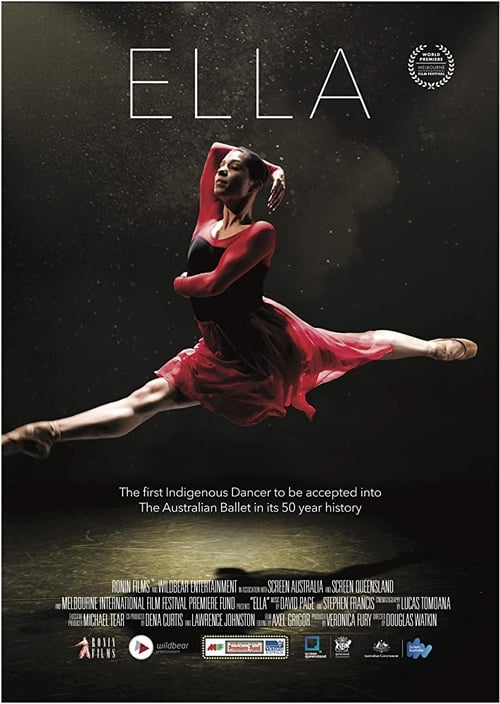
Ella (2016) is a significant documentary that uses a biographical lens to challenge traditional cultural hierarchies. By centering a Wiradjuri dancer within the elite Australian Ballet, the film provides a powerful counterpoint to Eurocentric standards of classical dance. The film excels in racial and ethnic representation, showcasing how an Indigenous person can succeed in a historically homogeneous art form. It highlights the ability to act required to navigate high-art institutions. However, the film remains a traditional biographical success story. While it introduces cultural complexity through the protagonist's heritage, it does not explicitly seek to deconstruct systemic structures or gender hierarchies.
Category Breakdown
The film focuses entirely on the protagonist's life journey and does not include characters or stories centered around LGBTQ+ or non-straight-centered identities.
The story centers on a woman's professional rise, avoiding submissive stereotypes by highlighting her discipline and technical skills. However, it follows a conventional biographical format.
This is the film's strongest area, featuring a Wiradjuri woman succeeding in a historically white-dominated institution. Her success challenges the uniformity of the classical dance world.
The film explores the tension between Indigenous heritage and Western classical traditions. It emphasizes personal merit and navigating institutional structures without direct criticism.
The narrative focuses on the protagonist's professional and cultural journey. There is no central narrative arc involving physical or neurodivergent disabilities.
Present on Screen
Limited or Absent
Official Synopsis
Ella Havelka made history in 2013 by becoming the first Indigenous dancer at the 50-year-old Australian Ballet. In this engaging, MIFF Premiere Fund-supported world premiere, Ella – a descendant of the Wiradjuri people – charts her inspiring journey from growing up in modest circumstances as the only child of a single mother in rural Australia to gaining entry to National Ballet School, then spending formative years with the acclaimed Bangarra Dance Theatre before accepting the invitation of The Australian Ballet's artistic director David McAllister to join one of the world's foremost ballet companies.
2010
2016
2024
2011
2016

2020
2012

2021
No reviews yet. Be the first to share your thoughts on this movie!
Use the rating form above to leave a star rating and optional review.