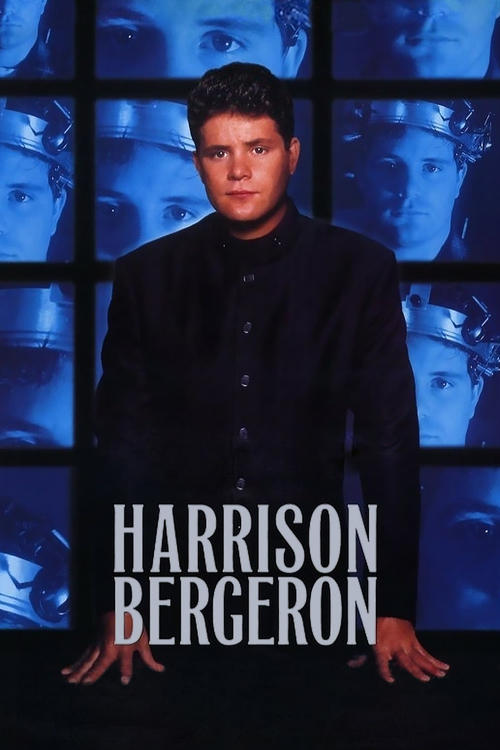
Harrison Bergeron
1995
No user ratings available yet
Representation score: 4.8 out of 10
Representation Score
Good
1998
Director
Larry Williams, Leslie Libman
Runtime
87 minutes
Average Rating
No ratings yetNew Showbiz Analysis
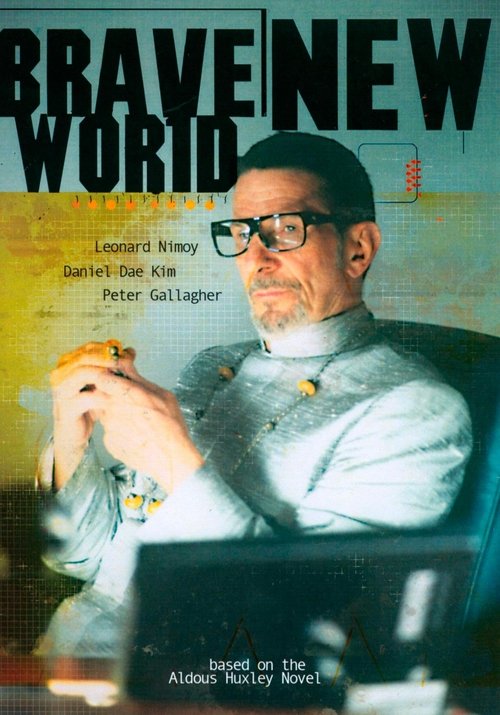
The film excels as a critique of systemic control, using its dystopian setting to champion individual autonomy. Its greatest strength lies in subverting gender roles through female empowerment and challenging the hollow stability of institutional societies. However, the narrative lacks depth in representing multiple aspects of identity. It misses opportunities to explore specific LGBTQ+ identities or provide nuanced representations of disability and race, focusing instead on genetic caste systems. Ultimately, while the film is a powerful anti-authoritarian statement, its diversity is more thematic than identity-driven, prioritizing the struggle against state conditioning over explicit social identity politics.
Category Breakdown
The film emphasizes reproductive technology and biological intimacy rather than LGBTQ+ identities. It does not explicitly focus on LGBTQ+ narratives, staying within the boundaries of disruptions to heterosexual norms.
Lenina plays a significant role by defying the state's reproductive protocols. Her choice to face banishment rather than having an abortion challenges the patriarchal, male-dominated administrative system.
The cast includes diverse actors such as Tim Guinee and Miguel Ferrer. However, the plot prioritizes genetic caste hierarchies over explicit racial or ethnic distinctions.
The film strongly critiques Western institutional stability and utopian capitalism. It portrays state-mandated stability as an oppressive mechanism that suppresses genuine human emotions.
The narrative explores biological perfection but lacks characters with visible or invisible disabilities. Systemic issues are treated as social deviations rather than nuanced explorations of neurodivergence.
Present on Screen
Limited or Absent
Official Synopsis
In a futuristic totalitarian utopian society, babies are created through genetic engineering, everyone has a predestined place in society and their minds are conditioned to follow the rules. A tragic outsider jeopardizes the status quo.
1995

1966

1994
1971
1983

1992

1999

2004
No reviews yet. Be the first to share your thoughts on this movie!
Use the rating form above to leave a star rating and optional review.