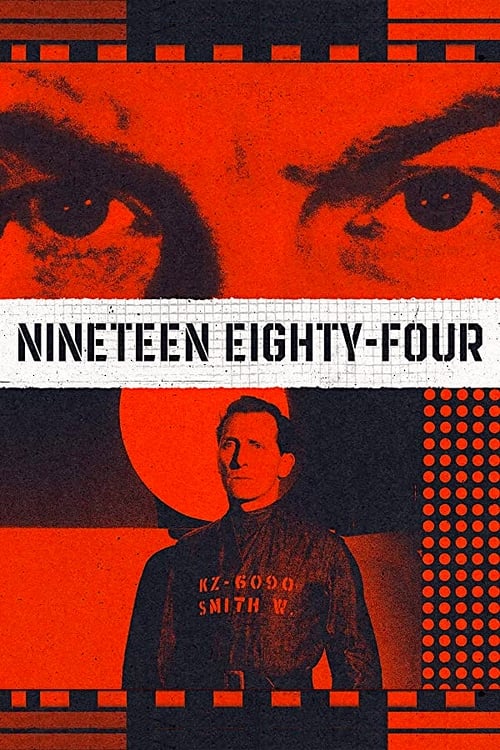
Nineteen Eighty-Four
1954
No user ratings available yet
Diversity score: 4.9 out of 10

1968
Director
Michael Elliott
Runtime
105 minutes
Average Rating
No ratings yetSynopsis
Influenced by concerns about overpopulation, the counterculture of the 1960s and the societal effects of television, the play depicts a world of the future where a small elite control the media, keeping the lower classes docile by serving them an endless diet of lowest common denominator programmes and pornography. The play concentrates on an idea the programme controllers have for a new programme which will follow the trials and tribulations of a group of people left to fend for themselves on a remote island. In this respect, the play is often cited as having anticipated the craze for reality television.
Overall Score
Fair
Category Breakdown
LGBTQ+ Representation
The film explores identity as a performance within a televised spectacle. However, specific depictions of non-cisnormative identities or same-sex intimacy are not central to the plot.
Gender Representation
Gendered interactions are framed as a spectacle for mass consumption. This undermines traditional masculine and feminine roles, suggesting identity is a curated performance rather than an inherent truth.
Racial & Ethnic Diversity
The narrative focuses on a class-based dystopian Britain. There is little evidence of a diverse cast, reflecting the likely demographic homogeneity of 1968 British television.
Religious & Cultural Diversity
The work offers a profound critique of Western institutional structures and capitalism. It depicts a media-saturated culture that rejects traditional values of authenticity and social cohesion.
Disability Representation
The film focuses on broad sociological themes rather than individual character studies. There is no significant evidence of characters with disabilities being used as central plot devices.
Strengths
Areas for Improvement
AI Analysis
The Year of the Sex Olympics is a sophisticated sociological critique that anticipates the rise of reality television. It excels at deconstructing systemic power and the way media commodifies human experience, offering a progressive look at how institutions maintain control over the masses. However, the film is limited by the era's demographic norms. It lacks explicit representation of racial, LGBTQ+, or disability identities, focusing instead on class-based stratification and the psychological state of a media-saturated society. Ultimately, while the casting appears homogeneous, the narrative architecture is intellectually ahead of its time, challenging the stability of social roles and Western hegemony.
1954

1972

1971
1970
1996
No reviews yet. Be the first to share your thoughts on this movie!
Use the rating form above to leave a star rating and optional review.