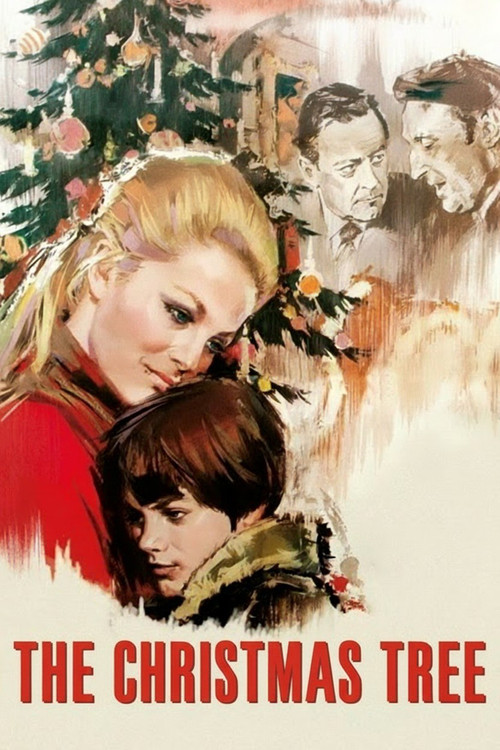
The Christmas Tree
1969
No user ratings available yet
Representation score: 2.1 out of 10
Representation Score
Limited
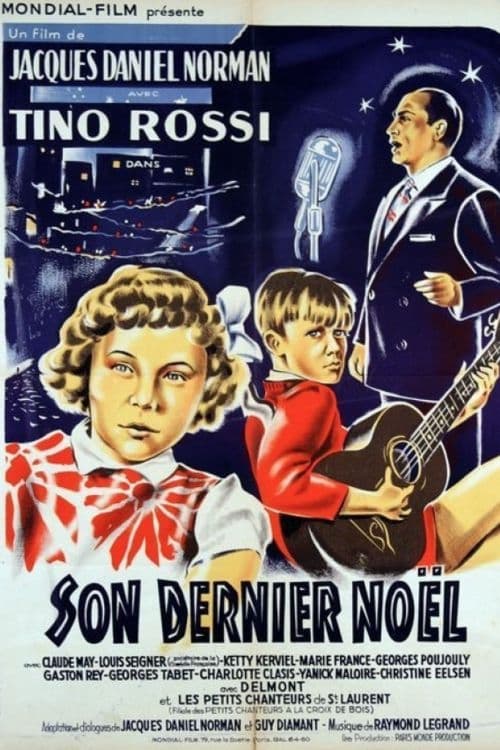
1952
BtlDirector
Jacques Daniel-Norman
Runtime
93 minutes
Average Rating
No ratings yetNew Showbiz Analysis
Her Last Christmas is a traditional 1950s melodrama centered on a community's response to a child's terminal illness. The film adheres closely to the cinematic conventions of its time, emphasizing communal tradition and emotional sentimentality. The narrative structure reinforces conventional social norms. It lacks depth in representing diverse identities, focusing instead on a culturally uniform setting reflective of mid-century Europe. While the film features a strong central character, the representation remains tied to period-specific themes of innocence and emotional struggle rather than more progressive storytelling.
Category Breakdown
The film does not include any characters with non-traditional gender identities or same-sex relationships. The story revolves around a traditional family setting.
A young female character drives the main storyline. However, her role is defined by her vulnerability and emotional struggles rather than challenging traditional gender roles.
The film depicts a community that is racially and ethnically homogeneous, typical of mid-20th century European dramas. There is no visible diversity among the characters.
The plot emphasizes traditional Western cultural values and seasonal religious traditions. It highlights the importance of community and tradition.
The protagonist's terminal illness serves as the primary plot driver. The portrayal may rely heavily on the illness for emotional impact rather than exploring deeper personal ability to act.
Present on Screen
Limited or Absent
Official Synopsis
A very ill little girl having expressed the wish to live until Christmas, the whole neighborhood agrees to anticipate the celebration.
1969
1955
1976

2017

2009
2003
2001

2012
No reviews yet. Be the first to share your thoughts on this movie!
Use the rating form above to leave a star rating and optional review.