That Man: Peter Berlin
2006
No user ratings available yet
Representation score: 6.3 out of 10
Representation Score
Fair
2013
Director
Jim Tushinski
Runtime
93 minutes
Average Rating
No ratings yetNew Showbiz Analysis
Jim Tushinski’s documentary offers a sophisticated exploration of the intersection between mainstream entertainment and queer liberation. By focusing on Wakefield Poole, the film validates queer artistic expression and documents the significant changes in identity politics during the late 20th century. The film excels in preserving alternative historical perspectives, going beyond simple inclusion to make queer aesthetics central to the story. It effectively dismantles social taboos and censorship. However, the film’s focus on specific mid-century subcultures limits its scope regarding racial and gender diversity.
Category Breakdown
The film serves as a crucial historical document of the gay liberation era. It emphasizes the importance of queer identity and aesthetics in driving the narrative.
The documentary examines different expressions of masculinity through dance and performance. However, it does not provide significant roles for women in the professional context.
The film captures the demographic makeup of mid-century Broadway and the pornographic industry. This leads to a focus on predominantly white professional circles.
The narrative challenges traditional histories by prioritizing the story of queer liberation. It highlights sexual expression as a key cultural movement.
There is no mention of physical or neurodivergent disabilities in this documentary.
Present on Screen
Limited or Absent
Official Synopsis
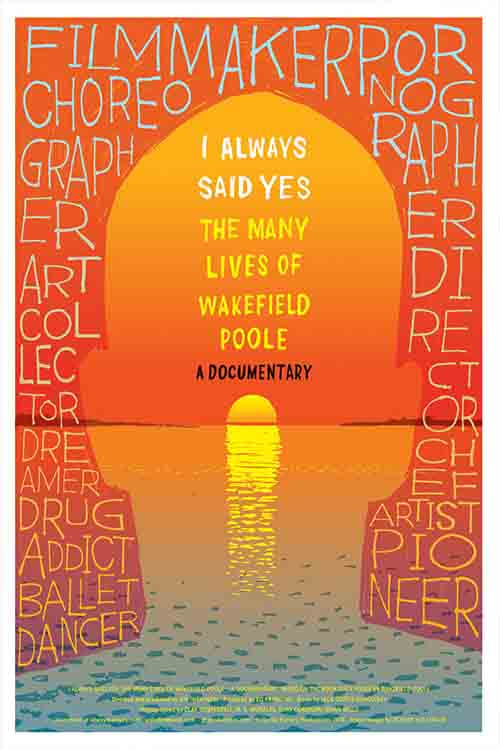
I Always Said Yes is a portrait of pioneering filmmaker Wakefield Poole, whose careers as dancer, choreographer, and director spanned the golden years of Broadway, television, porno chic, and gay liberation.
2006

1984

2013
2019
2017

2017

2013
2008
No reviews yet. Be the first to share your thoughts on this movie!
Use the rating form above to leave a star rating and optional review.