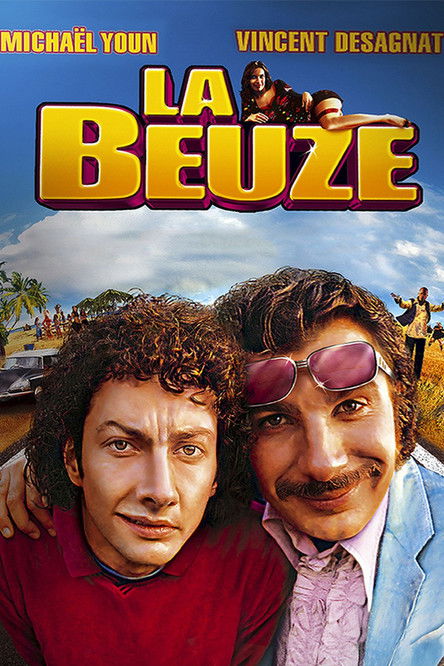
The Dope
2003
No user ratings available yet
Representation score: 6.4 out of 10
Representation Score
Fair
1986
Director
Hervé Palud
Runtime
90 minutes
Average Rating
No ratings yetNew Showbiz Analysis
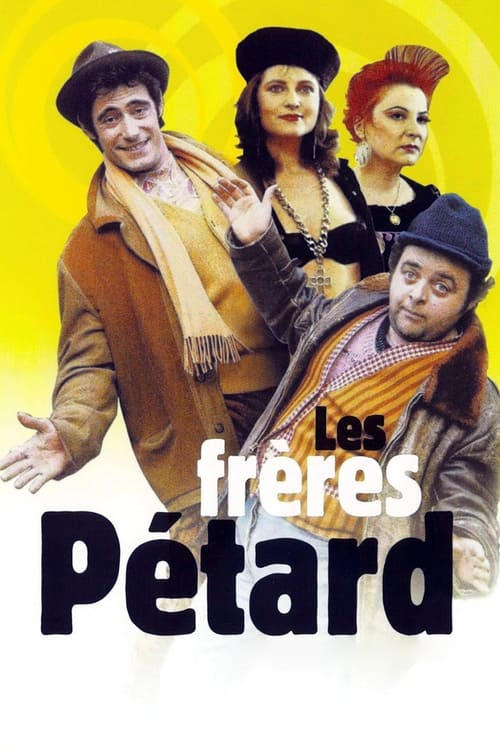
The Joint Brothers primarily serves as a character study of economic displacement. It lacks explicit markers regarding gender and LGBTQ+ identity, focusing instead on the struggles of the working class. By depicting characters operating outside mainstream institutional respectability, the film critiques traditional social stability. Ultimately, the work prioritizes systemic economic issues over proactive identity-based representation, emphasizing class dynamics over a diverse ensemble.
Category Breakdown
The film does not include any explicit LGBTQ+ characters or narratives. The story centers on the economic struggles of male protagonists.
The narrative focuses on a male-dominated social sphere, following a traditional masculine framework driven by the friendship and professional failures of the main characters.
Character names suggest a multicultural urban environment, but there are no specific racialized character arcs detailed in the film.
The film explores anti-establishment themes by centering on characters on the fringes of the legal economy. It prioritizes the lived experiences of those struggling economically.
There is no information regarding characters with physical, sensory, or neurodivergent disabilities.
Present on Screen
Limited or Absent
Official Synopsis
After he is dismissed from his umpteenth job, Momo is kicked out of the family home by his fed-up father. He immediately joins his buddy Manu, who is also penniless having just lost his job at a cafeteria. The two decide to ask shady nightclub owner Sammy for a job, and he promptly hires them to transport back two statuettes from Amsterdam. Momo and Manu soon find out that these art objects are stuffed with drugs, but still manage to carry out their mission. They receive one kilo of grass in exchange, which they sell immediately. But while the business is lucrative, they discover that it's not so easy to become a full-fledged drug dealer...
2003

2016

2021
1965
1989

2009
1973

2014
No reviews yet. Be the first to share your thoughts on this movie!
Use the rating form above to leave a star rating and optional review.