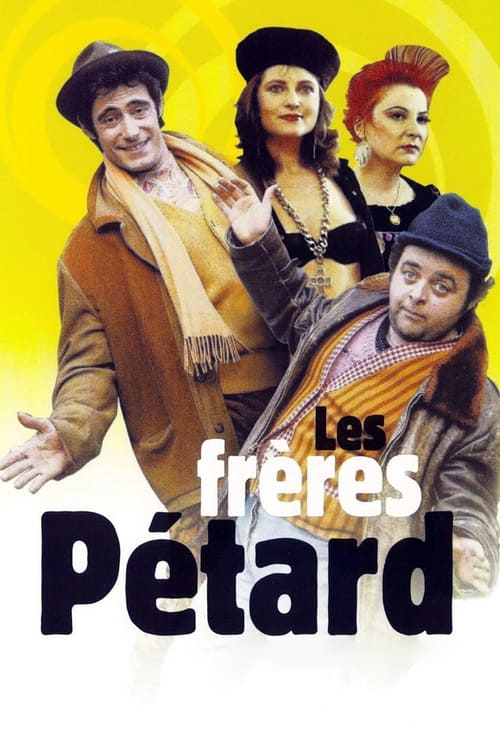
The Joint Brothers
1986
No user ratings available yet
Representation score: 4.0 out of 10
Representation Score
Good
2003
Director
Thomas Sorriaux, François Desagnat
Runtime
93 minutes
Average Rating
No ratings yetNew Showbiz Analysis
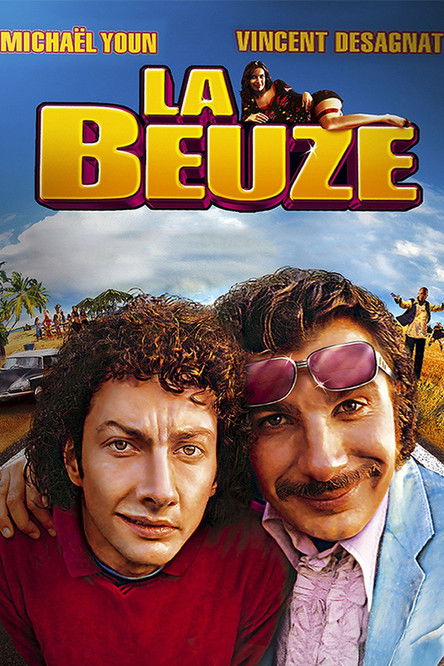
The Dope explores a subculture defined by aimlessness. It challenges institutional norms and traditional Western ideas of labor and stability through its protagonists' rejection of authority. However, the film lacks intentionality regarding the overlapping aspects of identity. While the urban setting offers a multicultural backdrop, the narrative fails to delve deeply into the characters' racial or gendered experiences. Consequently, the film's focus on a specific male-centric comedic style limits its broader social representation, leaving gaps in LGBTQ+ and disability visibility.
Category Breakdown
The film doesn't include any significant LGBTQ+ identities or romantic arcs. Social interactions follow traditional norms without critiquing assumptions about straight relationships.
The story focuses on a male-dominated group of slackers. Women appear in social settings but don't play major roles in driving the plot forward.
The urban French setting includes various ethnic groups. However, the development of characters related to racial identity is limited.
The narrative criticizes traditional capitalist work ethics by focusing on aimless lifestyles. It promotes youthful liberation by rejecting established social norms.
The film does not portray any characters with visible or invisible disabilities. It does not address themes of neurodivergence or physical disability.
Present on Screen
Limited or Absent
Official Synopsis
Alphonse Brown, who firmly believes he is the bastard son of James Brown, meets up with his best friend Scotch after Brown gets out of jail. On their way to Paris to begin careers as recording artists, the pair stumbles across a potent type of marijuana that was engineered by the Nazis. Their decision to begin selling the stuff leads to a variety of people chasing after them.
1986

2016
2009
2001
1981
2009
2017

2010
No reviews yet. Be the first to share your thoughts on this movie!
Use the rating form above to leave a star rating and optional review.