Wednesday's Child
1934
No user ratings available yet
Representation score: 1.1 out of 10
Representation Score
Minimal
1933
PassedDirector
Sidney Lanfield
Runtime
61 minutes
Average Rating
No ratings yetNew Showbiz Analysis
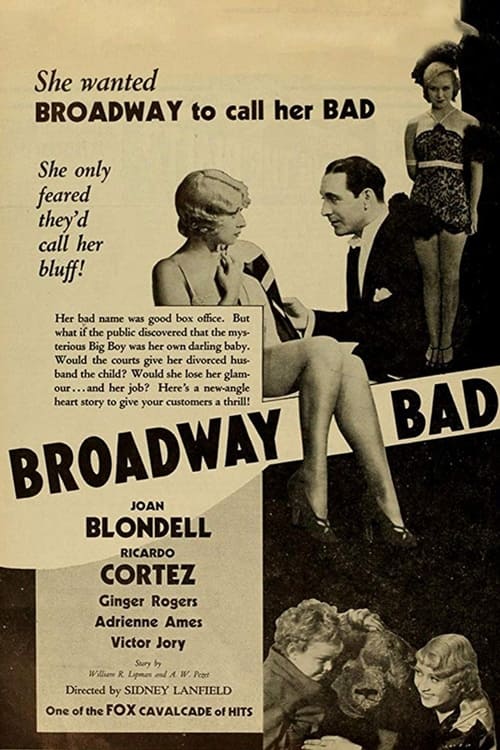
Broadway Bad is a conventional 1933 drama that closely follows the demographic and social norms of its time. While it centers on a female protagonist fighting for custody, the film remains firmly within the traditional cinematic frameworks of the era. The narrative focuses on individual struggles within established legal and familial institutions. It does not attempt to challenge social hierarchies or provide characters who reflect more than one aspect of diversity, adhering to the traditional studio system approach to character-driven drama. Ultimately, the film lacks significant diversity in terms of race, sexual orientation, or disability, functioning as a standard period piece of the early sound era.
Category Breakdown
The film does not include any LGBTQ+ characters or non-cisgender identities, sticking to traditional social structures.
Tony Landers is a central female character who fights for maternal rights. However, the story may reinforce traditional domestic roles and societal norms of the 1930s.
The production follows the homogeneous casting practices typical of the early studio system. There is no indication of a racially diverse cast.
The story engages with Western institutions such as the legal system and the nuclear family. It operates within established social morality without questioning these structures.
There is no information about characters with physical or neurodivergent disabilities.
Present on Screen
Limited or Absent
Official Synopsis
Showgirl Tony Landers, supported by her friend Flip Daly, fights for the custody of her son during a divorce hearing.
1934
1934
1933
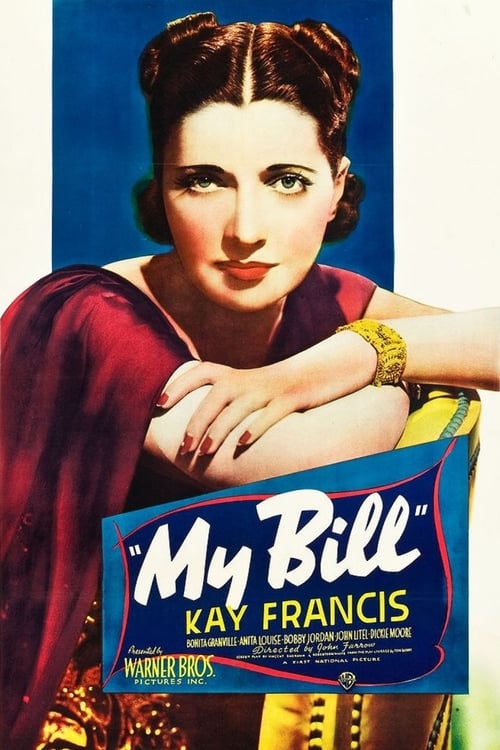
1938
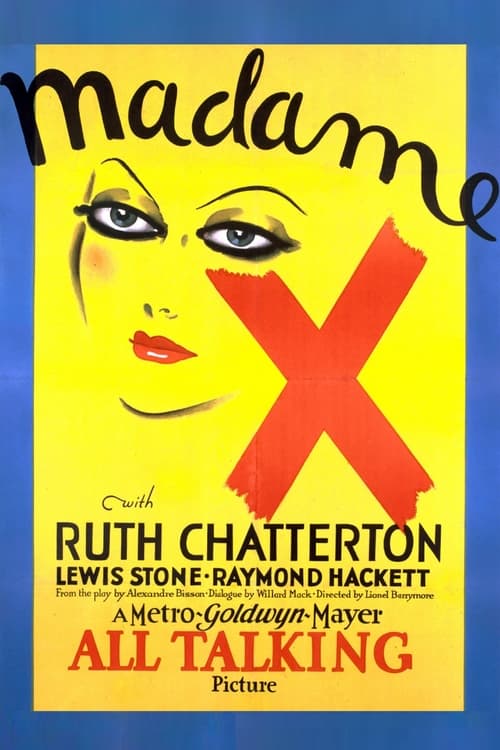
1929
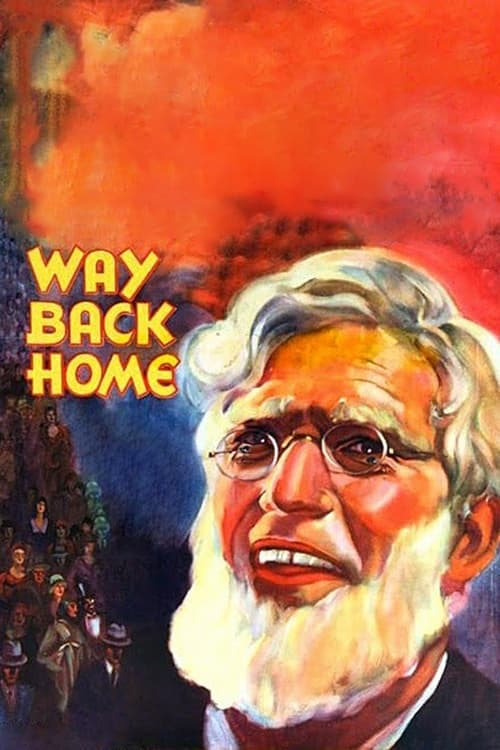
1931
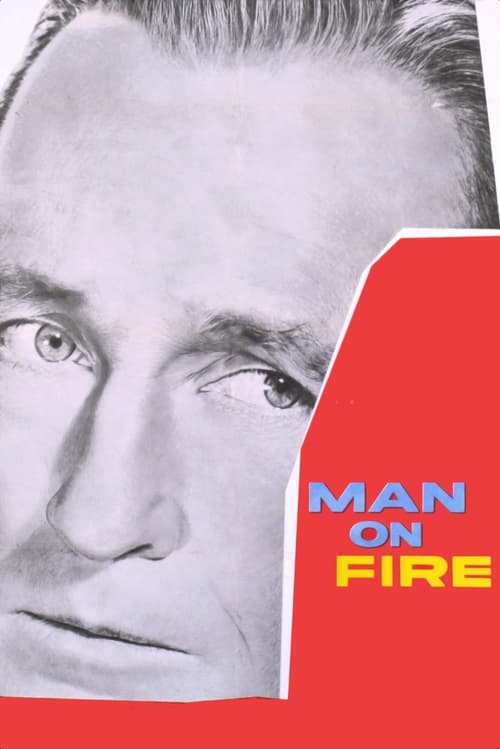
1957
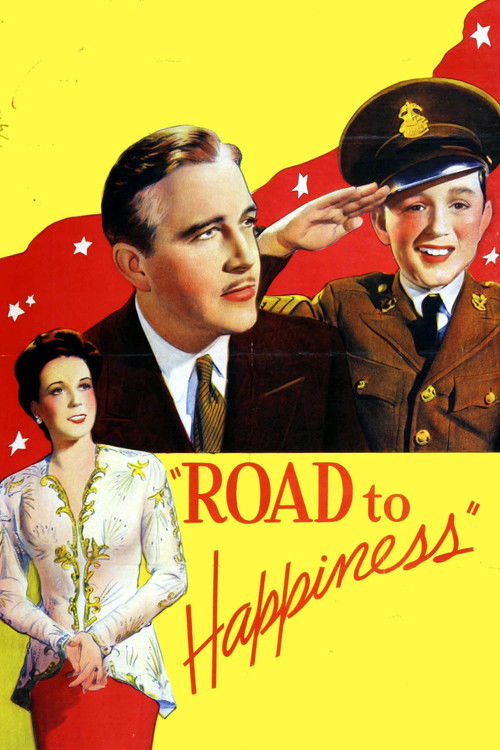
1941
No reviews yet. Be the first to share your thoughts on this movie!
Use the rating form above to leave a star rating and optional review.