À deux c'est plus facile
2009
No user ratings available yet
Diversity score: 3.2 out of 10
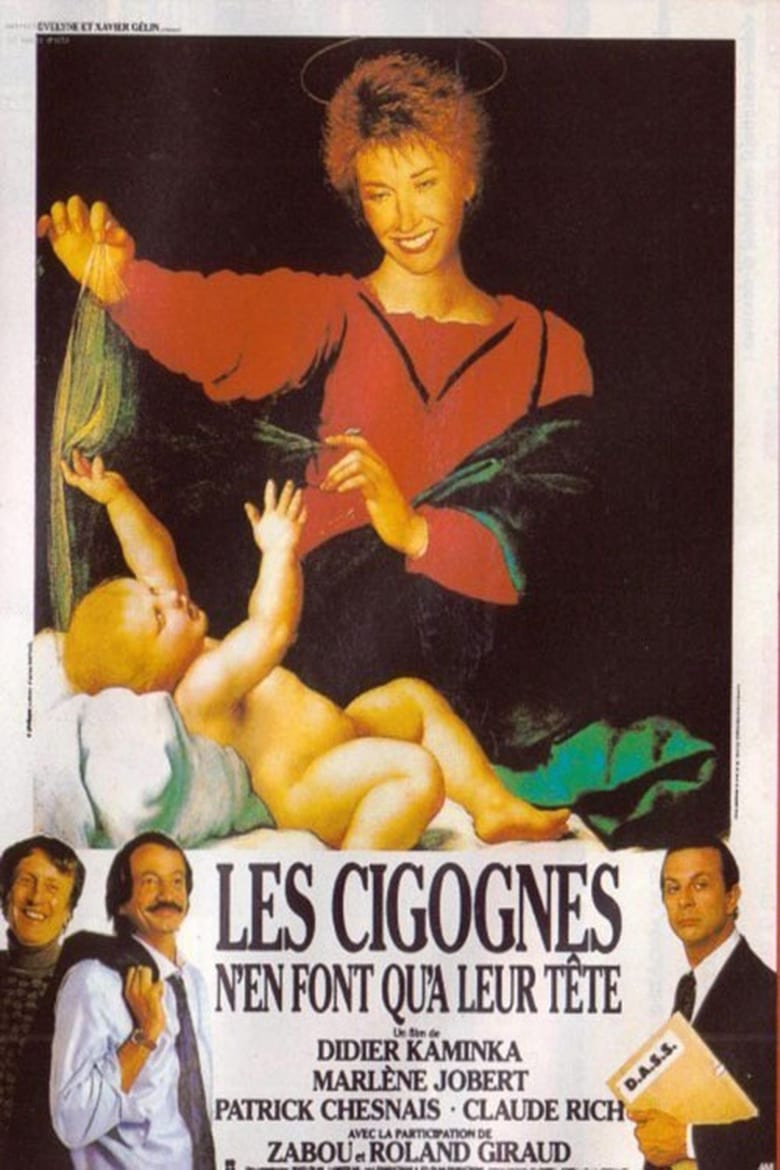
1989
Director
Didier Kaminka
Runtime
80 minutes
Average Rating
No ratings yetSynopsis
Married to Jeremie, Marie wants desperately to have a child. She has a 20 year old daughter from a former marriage with the police commissioner. When the gynecologist confirms they are unable to conceive a child together, they opt for adoption. However, it is a very lengthy and difficult process. When her daughter meets Joanna, a pregnant teenager willing to give up her child for adoption, Marie is thrilled. And so Joanna moves in...
Overall Score
Limited
Category Breakdown
LGBTQ+ Representation
The story centers on heteronormative family structures and the pursuit of parenthood within a traditional marriage. No queer narratives or non-cisnormative identities are present in the plot.
Gender Representation
Marie drives the emotional core of the film through her maternal desires and navigation of infertility. However, the narrative remains rooted in conventional domestic roles.
Racial & Ethnic Diversity
The film focuses on domestic social dynamics within a specific familial unit. It lacks evidence of a multi-ethnic cast or the subversion of Eurocentric norms.
Religious & Cultural Diversity
Themes of marriage and child-rearing align with traditional Western social values. While exploring adoption ethics, the film does not critique established social structures.
Disability Representation
The narrative contains no mention of characters navigating physical, neurodivergent, or mental health challenges.
Strengths
Areas for Improvement
AI Analysis
The film operates as a traditional domestic drama, focusing on the emotional complexities of infertility and the adoption process. While it explores non-traditional paths to parenthood, it does so through a lens that reinforces conventional family milestones rather than challenging them. The narrative lacks intersectional complexity, adhering to the standard demographic and social expectations of late-80s French cinema. It prioritizes a singular, traditional family unit over a diverse or systemic exploration of identity. Ultimately, the film provides a narrow view of social dynamics, focusing on domesticity and established social hierarchies without significant subversion.
2009

2024

2000

1982

1977

1989
2013

2019
1997

2011

1998
1998
No reviews yet. Be the first to share your thoughts on this movie!
Use the rating form above to leave a star rating and optional review.