Star Boys
2017
No user ratings available yet
Representation score: 5.7 out of 10
Representation Score
Fair
2013
Director
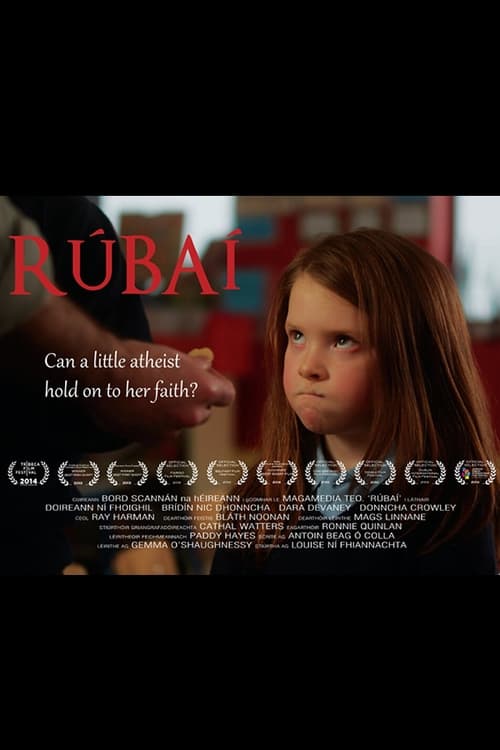
Louise Ní Fhiannachta
Runtime
12 minutes
Average Rating
No ratings yetNew Showbiz Analysis
Rúbaí is a character-driven drama that examines the tension between personal identity and communal traditions. The film emphasizes the protagonist's active role in rejecting traditional religious rites, moving beyond passive childhood clichés to explore themes of autonomy and individual choice. However, the film's representation is limited by a lack of visible diversity in terms of race, disability, or explicit LGBTQ+ themes. While the narrative excels in thematic depth, it falls short in broader demographic inclusion.
Category Breakdown
The film does not include explicit LGBTQ+ characters or themes. However, the protagonist's journey to define herself against community norms mirrors struggles found in queer narratives.
A young female protagonist drives the story, asserting her intellectual independence. This portrayal challenges typical depictions of childhood passivity by emphasizing her active role against institutional pressures.
There is no information regarding the racial or ethnic composition of the cast. Consequently, the film's approach to racial diversity cannot be determined.
The story centers on a child's refusal to participate in a religious ceremony, emphasizing individual choice over traditional practices. It highlights the importance of personal subjectivity over communal traditions.
The film does not provide information about the inclusion or portrayal of characters with physical or neurodivergent disabilities.
Present on Screen
Limited or Absent
Official Synopsis
As her classmates prepare for their First Holy Communion, Rubai announces that she is an atheist and refuses to participate.
2017
2014
2010
2019
2017
2011

2021
2018
No reviews yet. Be the first to share your thoughts on this movie!
Use the rating form above to leave a star rating and optional review.