Valo
2005
No user ratings available yet
Representation score: 4.5 out of 10
Representation Score
Limited
1992
SDirector
Panu Pohjola
Runtime
57 minutes
Average Rating
No ratings yetNew Showbiz Analysis
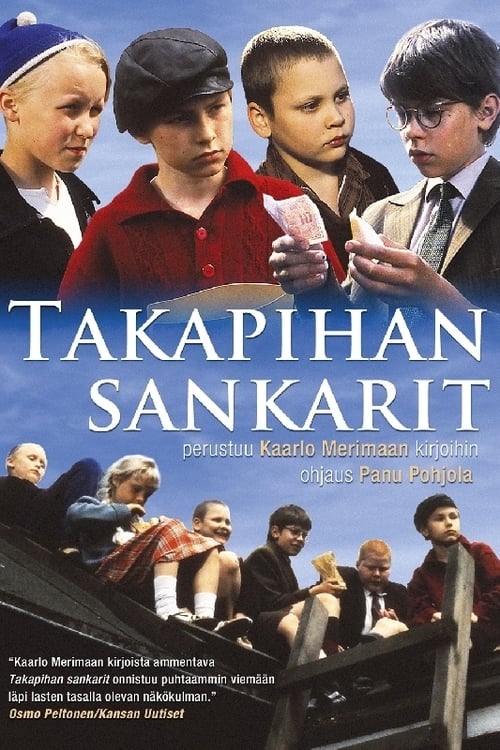
Takapihan sankarit is a period-specific character study that prioritizes the philosophical exploration of time and the loss of innocence. The film operates within the traditional conventions of the family drama genre, focusing on the internal emotional landscapes of its protagonists. Given the setting of a post-war Finnish town, the narrative remains rooted in a historically specific and homogeneous social context. This focus on nostalgia and domesticity means the film does not actively engage with the disruption of systemic power dynamics or the overlapping aspects of identity. Ultimately, the work offers a nuanced look at the human condition through a sentimental lens, but it lacks the intentional subversion of social hierarchies required for a higher diversity rating.
Category Breakdown
The film does not include any explicit representation of LGBTQ+ identities or narratives that question the assumption that everyone is straight or cisgender. It focuses on a family drama without visible LGBTQ+ themes.
The story follows a traditional dramatic structure centered on universal experiences of aging. It does not feature character arcs that challenge traditional gender roles.
Set in a post-war Finnish town, the film reflects a likely homogeneous demographic. It lacks intentional efforts to include actors from diverse racial backgrounds.
The story is set within traditional Western social structures and Finnish environments. It serves as a nostalgic study of communal and familial life.
There is no information regarding the inclusion of characters with physical, sensory, or neurodivergent disabilities.
Present on Screen
Limited or Absent
Official Synopsis
According to the story, the heroes of the backyard are "Impression from the moment when a child realizes that childhood is transient". The scriptwriters combined episodes in the film on Merima's two works and placed events in an unspecified town after the wars. Costumes and sculptures refer to the wooden houses of the 1940s and 1950s. The venues included Suomenlinna and the Ruiskumestari House in Helsinki Kruununhaa. The backyard heroes were filmed for 16mm film originally as a television movie , but also taken to theatrical release.
2005
1988
2008
2017

2009

1960
1996
1989
No reviews yet. Be the first to share your thoughts on this movie!
Use the rating form above to leave a star rating and optional review.