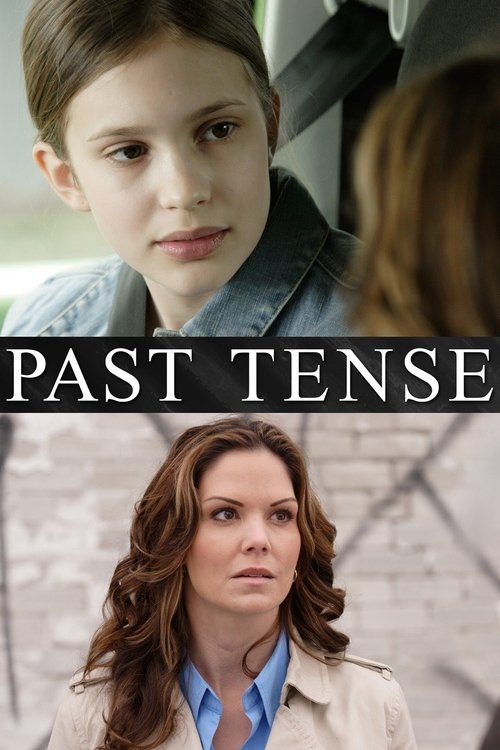
Past Tense
2006
No user ratings available yet
Representation score: 3.9 out of 10

Representation Score
Minimal
2026
TV-14Director
Dave Thomas
Runtime
85 minutes
Average Rating
No ratings yetNew Showbiz Analysis
Picture Perfect Sister-in-Law opens with the quiet dread of a woman who has survived the worst and now watches her new life unravel. Dave Thomas’s 2026 thriller uses the domestic sphere not as a haven, but as a trap where the past bleeds into the present. Parker Bennington, a former journalist turned lecturer, is the film’s moral compass; her competence is the only thing standing between her family and the "Carousel Killer." The film sells a vision of female resilience, yet it relies on traditional gendered fears: the sister-in-law’s erratic behavior is the true antagonist, suggesting that domestic instability is as dangerous as the abductor. The camera loves Parker’s vigilance, framing her as the sole protector of the household. However, the narrative treats the family unit as a fragile commodity, easily shattered by external threats. The absence of diverse voices keeps the story insular, focused on a white, middle-class anxiety about safety and trust. The ending likely restores order, but at the cost of revealing how thin the veneer of normalcy is. It is a standard thriller that uses trauma as a plot device rather than exploring its deeper social implications. The film’s argument is simple: the past never dies, and the home is never truly safe.
Category Breakdown
No queer characters or same-sex intimacy appear. The narrative tracks heterosexual family bonds and Parker’s trauma, leaving LGBTQ+ identities entirely absent from the cast and plot.
Parker leads the investigation as the moral center. Her sister-in-law’s erratic behavior drives domestic tension, framing female instability as a household threat that Parker must manage.
The top-billed cast is predominantly white. No non-white characters are named in credits or described in the plot, reflecting a homogeneous suburban setting with limited ethnic diversity.
The nuclear family serves as the site of danger and surveillance. Parker’s return to academic stability frames the home as a fragile sanctuary that must be defended against external predation.
No characters display physical, cognitive, or sensory impairments. The thriller’s tension relies on psychological trauma and external threats rather than disability as a narrative element.
Present on Screen
Limited or Absent
Official Synopsis
Three years after escaping a notorious child abductor known as the 'Carousel Kiler', former investigative journalist Parker Bennington has rebuilt her life as a university lecturer near her brother's family. But when disturbing symbols from the past—carousel music boxes—start appearing, and her sister-in-law begins acting strangely, Parker suspects someone is targeting her again.
2006
2014

2020

2012

2020
2000

2011

2021
No reviews yet. Be the first to share your thoughts on this movie!
Use the rating form above to leave a star rating and optional review.