
Secrets in the Water
2021
No user ratings available yet
Representation score: 2.8 out of 10
Representation Score
Limited
2006
PG-13Director
Penelope Buitenhuis
Runtime
0 minutes
Average Rating
No ratings yetNew Showbiz Analysis
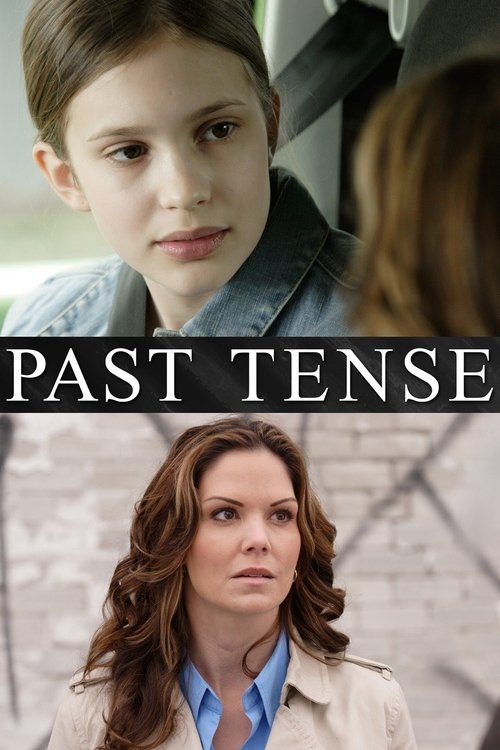
Past Tense operates as a standard mid-2000s television thriller that adheres closely to established genre conventions. While it provides a female lead who play a significant role in driving the story, the film does not attempt to challenge broader social hierarchies or offer multi-layered representation. The narrative is driven by maternal instincts and familial resolution, keeping the story within traditional domestic frameworks. This focus on individual survival over systemic critique results in a narrow scope of representation. Ultimately, the film lacks the intentionality needed to challenge social norms, making it feel conventional for its era and genre.
Category Breakdown
The story centers around a widowed mother and her daughter, depicting a traditional family unit. There are no visible LGBTQ+ characters or non-cisgender identities.
Kim Shay serves as a central protagonist who plays a significant role in driving the story. However, her motivations are rooted in traditional maternal protection roles.
The film lacks specific details about the racial or ethnic makeup of the cast. Without evidence of diverse casting, the production appears to follow conventional patterns.
The narrative follows a standard mystery structure focused on individual survival. It does not critique religious, systemic, or Western social institutions.
There is no indication of characters with physical, sensory, or neurodivergent disabilities. The plot focuses on psychological nightmares rather than disability representation.
Present on Screen
Limited or Absent
Official Synopsis
Trying to prove to her daughter that her nightmares aren't real, widowed mother Kim Shay 'investigates,' unwittingly bringing danger into their lives. Kim follows a trail that not only leads to the killer of a past victim, but also of her own husband.
2021

2019

2016

2000

2007

2020

1992

2020
No reviews yet. Be the first to share your thoughts on this movie!
Use the rating form above to leave a star rating and optional review.