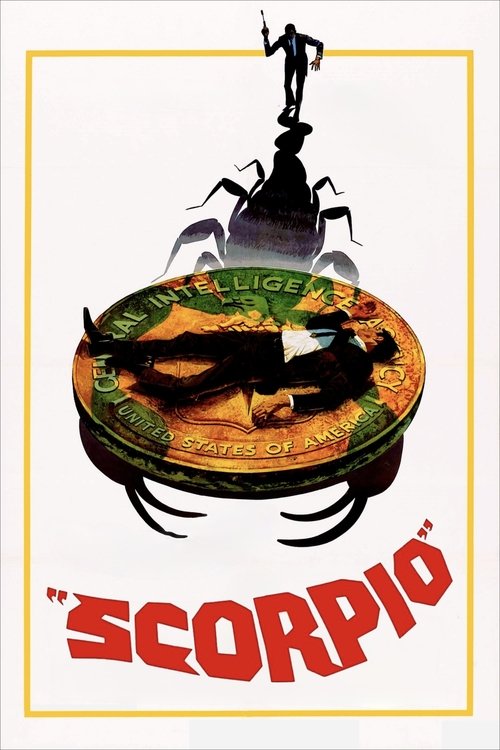
Scorpio
1973
No user ratings available yet
Representation score: 0.9 out of 10

Representation Score
Limited
1968
PGDirector
Federico Chentrens, Maurice Cloche
Runtime
85 minutes
Average Rating
No ratings yetNew Showbiz Analysis
The film operates within the conventions of the 1968 Eurospy genre, prioritizing a clear moral binary over complex social representation. Male leads dominate the action, while female characters remain peripheral to the central mystery. This structure reflects the era's typical approach to international thrillers. Racial and ethnic diversity is notably absent, with a homogenous cast that mirrors the production standards of the time. The narrative does not explore disability or LGBTQ+ identities, leaving these aspects entirely unaddressed. The focus remains on institutional competence and traditional gender roles. While the plot follows a logical structure, the lack of varied perspectives limits its modern relevance. The film clearly defines its moral landscape but offers little insight into diverse human experiences. It serves as a straightforward example of its genre's historical limitations.
Category Breakdown
The film presents no LGBTQ+ characters or same-sex romance. All depicted relationships are strictly heterosexual. No gender non-conforming identities appear in the cast or story.
Male characters hold all positions of power and drive the main investigation. Women appear only as supporting figures who do not influence the central plot. The narrative structure remains firmly male-centric.
The cast is predominantly white, reflecting standard practices for 1968 international spy films. No characters of color hold significant roles or receive narrative depth. The on-screen population remains homogenous despite the fictional setting.
Western institutions like the CIA are portrayed as competent and necessary. The ex-Nazi villain frames fascism as evil. Western culture serves as the normative standard for justice throughout the story.
No characters with physical or mental disabilities appear in the film. The story relies entirely on able-bodied spies and assassins. Disability is not addressed as a lived experience or narrative element.
Present on Screen
Limited or Absent
Official Synopsis
Shrewd and evasive ex-Nazi and top assassin Oscar Snell is determined to rub out the King of Kafiristan. Snell's sole weakness is his sweet tooth; he leaves candy wrappers at the scene of his every crime. It's up to no-nonsense CIA agent Mark Stone to find Snell and stop him before it's too late.
1973

1967
1967
1958
1967
1973
1974

1966
No reviews yet. Be the first to share your thoughts on this movie!
Use the rating form above to leave a star rating and optional review.