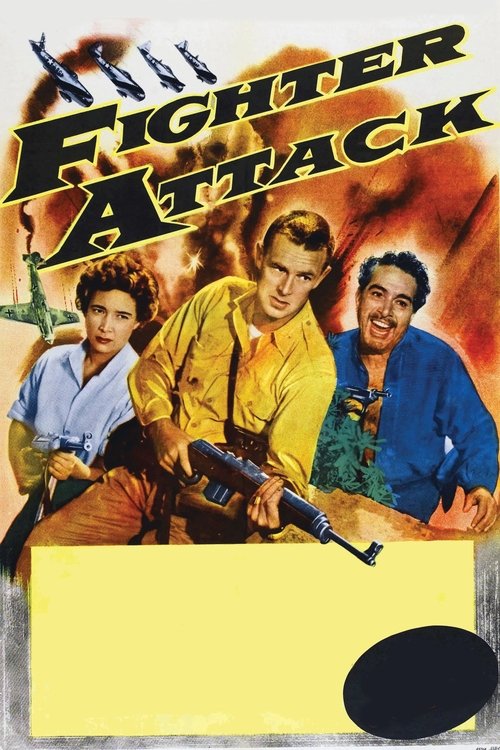
Fighter Attack
1953
No user ratings available yet
Diversity score: 1.9 out of 10
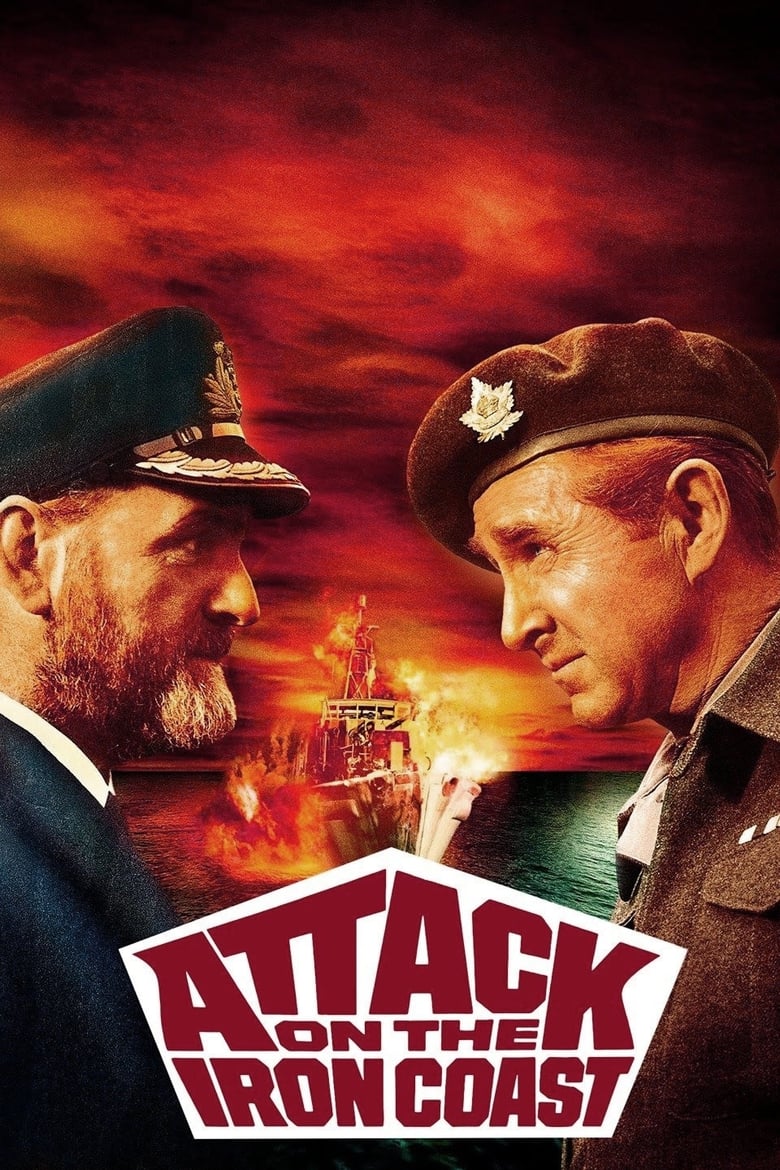
1968
PGDirector
Paul Wendkos
Runtime
89 minutes
Average Rating
No ratings yetSynopsis
Attack on the Iron Coast is a 1967 British-American Oakmont Productions international co-production war film directed by Paul Wendkos in the first of his five picture contract with Mirisch Productions, and starring Lloyd Bridges, Andrew Keir, Sue Lloyd, Mark Eden and Maurice Denham. The film depicts an account of Allied Combined Operations Headquarters commandos executing a daring raid on the German-occupied French coast during the Second World War. The film is based on the commando raid on the French port of St. Nazaire and is reminiscent of the film The Gift Horse. In the United States it was released as a double feature with Danger Route.
Overall Score
Limited
Category Breakdown
LGBTQ+ Representation
The film adheres to standard heteronormative military tropes common in 1968. There is no evidence of non-cisnormative gender identities or same-sex intimacy.
Gender Representation
Narrative agency is concentrated in male combatants, focusing on traditional masculine leadership. The film reinforces conventional hierarchies of strength and command.
Racial & Ethnic Diversity
The film reflects the era's tendency toward homogeneous casting within Western military units. It focuses on Anglo-European military structures without evidence of diverse casting.
Religious & Cultural Diversity
The story functions as a celebration of Western military intervention and patriotism. It reinforces the legitimacy of the Allied cause and traditionalist values of duty.
Disability Representation
There is no evidence of characters with disabilities being integrated with agency. Physical injury serves primarily as a plot device to signify sacrifice.
Strengths
Areas for Improvement
AI Analysis
Attack on the Iron Coast is a conventional mid-century war drama that prioritizes historical reconstruction over social complexity. The film follows the established cinematic patterns of 1968, focusing on the St. Nazaire Raid through a lens of traditional military heroism. The narrative architecture is heavily centered on Western-centric, masculine-led combat. It lacks representation of LGBTQ+ identities, diverse racial backgrounds, or characters with disabilities, instead adhering to the era's standard heteronormative and homogeneous military portrayals. Ultimately, the film serves to reinforce established social hierarchies and patriotic values rather than challenging them. It remains a product of its time, emphasizing duty and national service within a narrow demographic scope.
1953
1959
1964
1969
1945
1968
1957
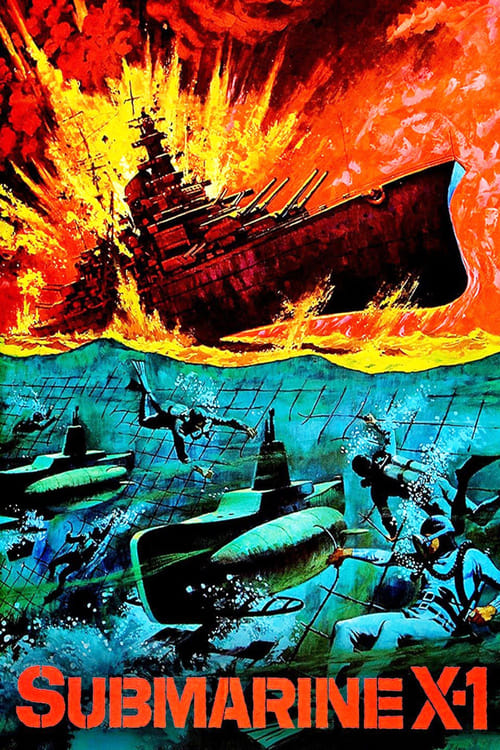
1968

1970
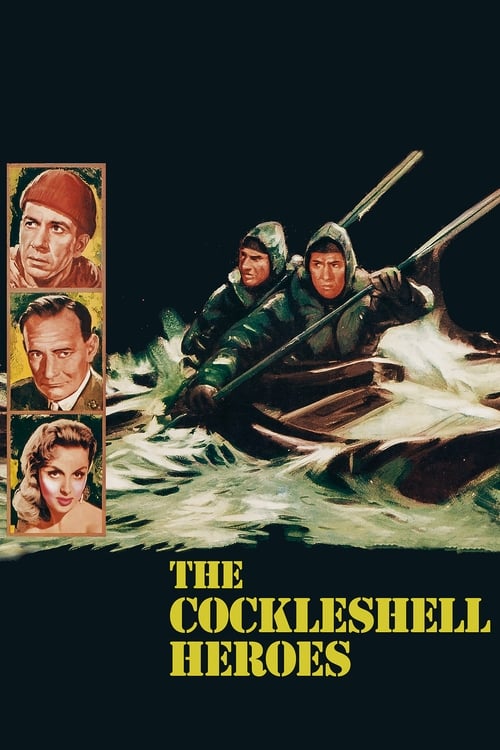
1955
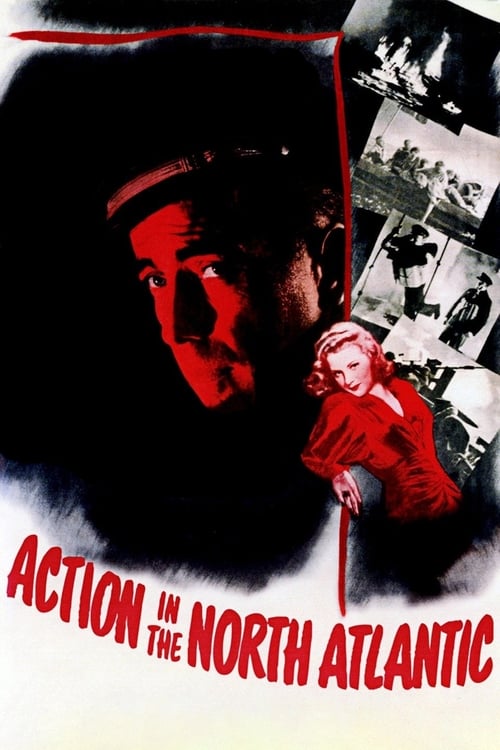
1943
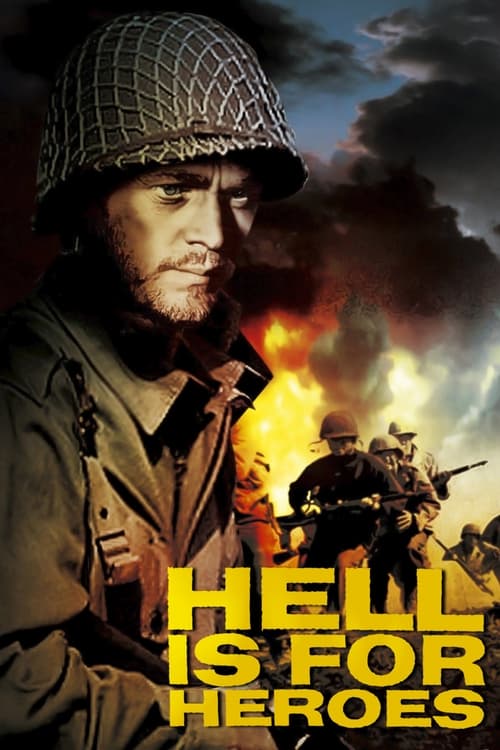
1962
No reviews yet. Be the first to share your thoughts on this movie!
Use the rating form above to leave a star rating and optional review.