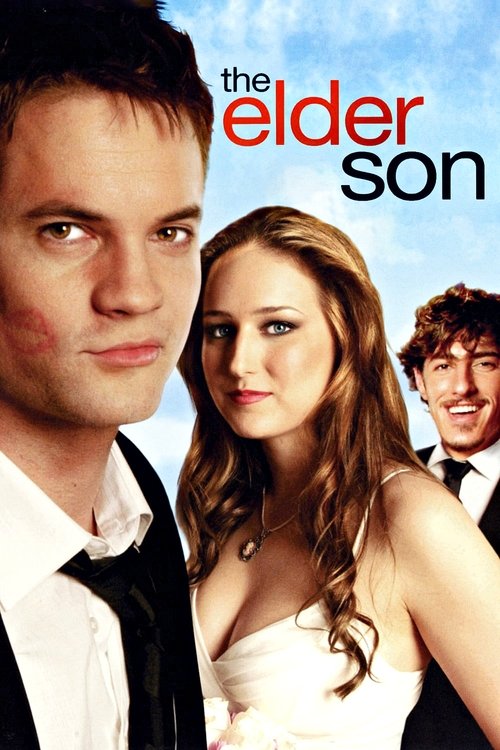
The Elder Son
2006
No user ratings available yet
Representation score: 3.2 out of 10

Representation Score
Good
2000
Not RatedDirector
Mikhail Agranovich, Oleg Yankovskiy
Runtime
102 minutes
Average Rating
No ratings yetNew Showbiz Analysis
Come Look at Me is a domestic drama that centers its emotional stakes on characters navigating physical and social limitations. The narrative relies heavily on traditional structures, focusing on a daughter's attempt to secure her mother's happiness through deception. The film succeeds in giving real power to its female lead and its disabled protagonist, going beyond mere including someone from a minority group without giving them real depth. However, it remains limited by a homogeneous social environment and a lack of diverse identities. Ultimately, the film offers a nuanced look at familial duty and the tension between tradition and individual desire, even if it stays within a conventional romantic framework.
Category Breakdown
The story follows a traditional romantic structure focused on marriage. It does not include any non-cisgender identities or challenge typical gender roles.
The plot is driven by the female lead's proactive decisions, particularly her daughter's efforts to manipulate her family situation. Despite using the spinster cliché, the female lead actively shapes the narrative.
The film focuses on a localized Russian social unit. The cast and setting appear homogeneous, lacking multi-ethnic representation or diverse racial identities.
Themes of familial duty and spiritual elements like quasi-miraculous healing are present. The narrative prioritizes relational stability and folkloric morality over strict secularism.
An elderly disabled woman serves as the emotional catalyst for the plot. Her desires drive the daughter's actions, making her a functional character rather than a passive object.
Present on Screen
Limited or Absent
Official Synopsis
The movie is about an old disabled lady who lives with her spinster daughter. The lady desperately wants her daughter to marry, and the daughter, driven by the supposed imminent death of her mother, invites a total stranger home and introduces him as her boyfriend. The man and the prospective mother-in-law eventually start to like each other, and he makes every effort to be liked by the daughter. With the intervention of a fantasy granddaughter, quasi-miraculous healing, and a lot of hilarious repartee in between, the movie has a happy ending.
2006
1977
2010
1998
1997

1971
1982

2005
No reviews yet. Be the first to share your thoughts on this movie!
Use the rating form above to leave a star rating and optional review.