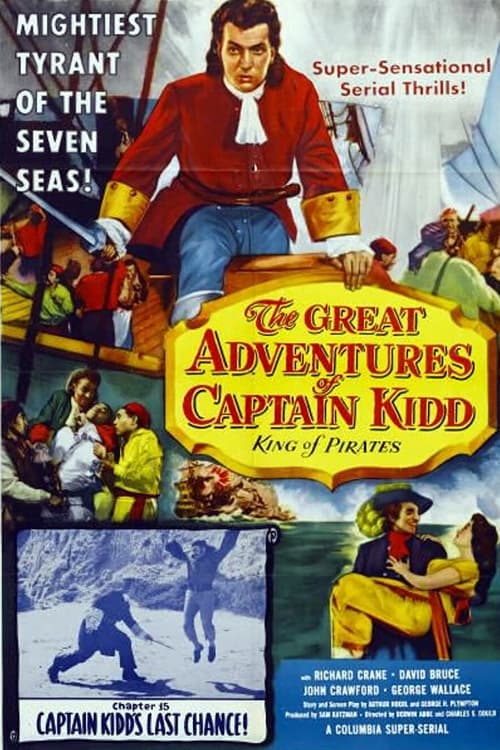
The Great Adventures of Captain Kidd
1953
No user ratings available yet
Representation score: 0.3 out of 10

Representation Score
Minimal
1951
ApprovedDirector
Lewis R. Foster
Runtime
95 minutes
Average Rating
No ratings yetNew Showbiz Analysis
Crosswinds is a conventional genre piece that reinforces the social hierarchies of the early 1950s. The narrative centers on individual morality and legal tension through a traditional lens, offering little in the way of social subversion. The film lacks intentionality regarding diverse representation. It relies on established genre clichés, resulting in a narrow perspective that mirrors the era's standard cinematic expectations. Ultimately, the work functions as a product of its historical context, prioritizing traditional storytelling over the deconstruction of systemic power dynamics or diverse representation.
Category Breakdown
The film follows a strict focus on straight relationships and assumes everyone is cisgender. There is no representation of LGBTQ+ identities or same-sex intimacy.
The characters adhere to traditional mid-century gender roles. Female characters play minor roles and do not disrupt the male-dominated social structures.
The production reflects the homogeneous casting practices of 1950s action cinema. There is no significant ethnic diversity or minority casting.
The story operates within a typical Western moral framework. It emphasizes individual guilt and redemption without challenging Western institutions.
No characters with visible or invisible disabilities are included in the narrative. There is no representation of neurodivergence or physical disability.
Present on Screen
Limited or Absent
Official Synopsis
A sailor gets his boat stolen from him after he's set up for a crime.
1953
1935
1935
1949
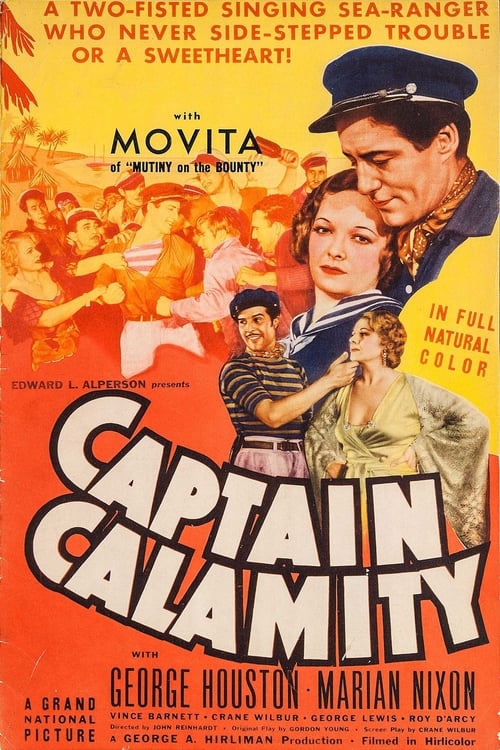
1936
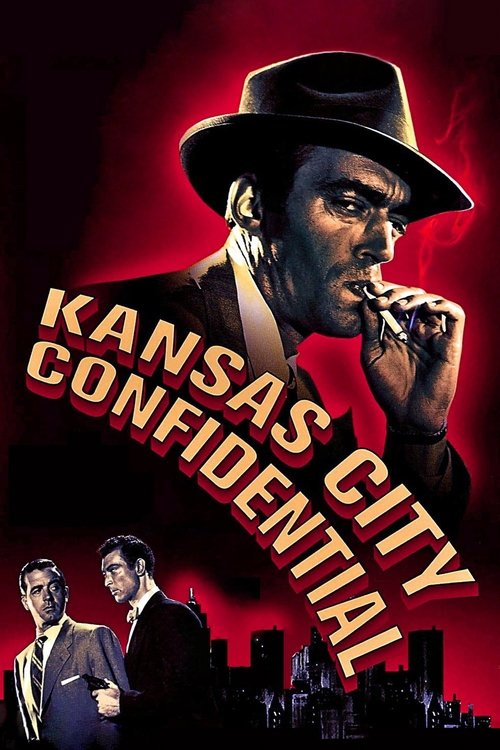
1952
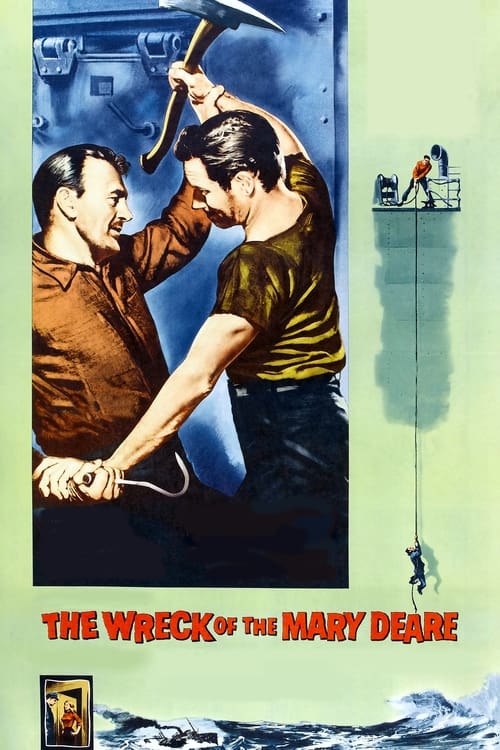
1959
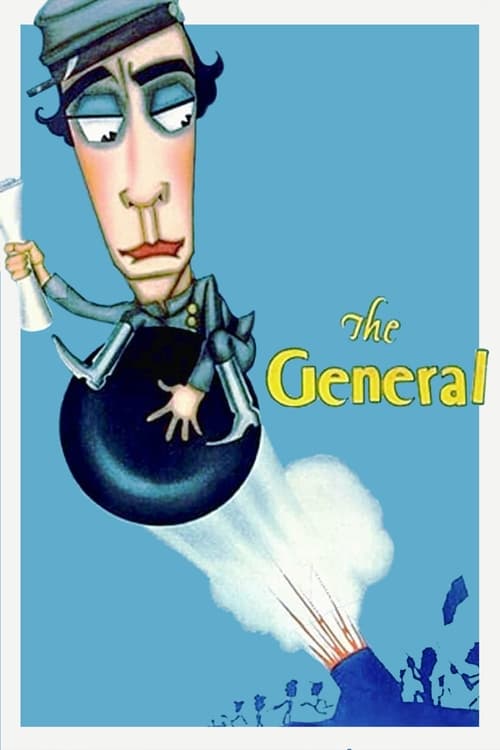
1926
No reviews yet. Be the first to share your thoughts on this movie!
Use the rating form above to leave a star rating and optional review.