Find another title
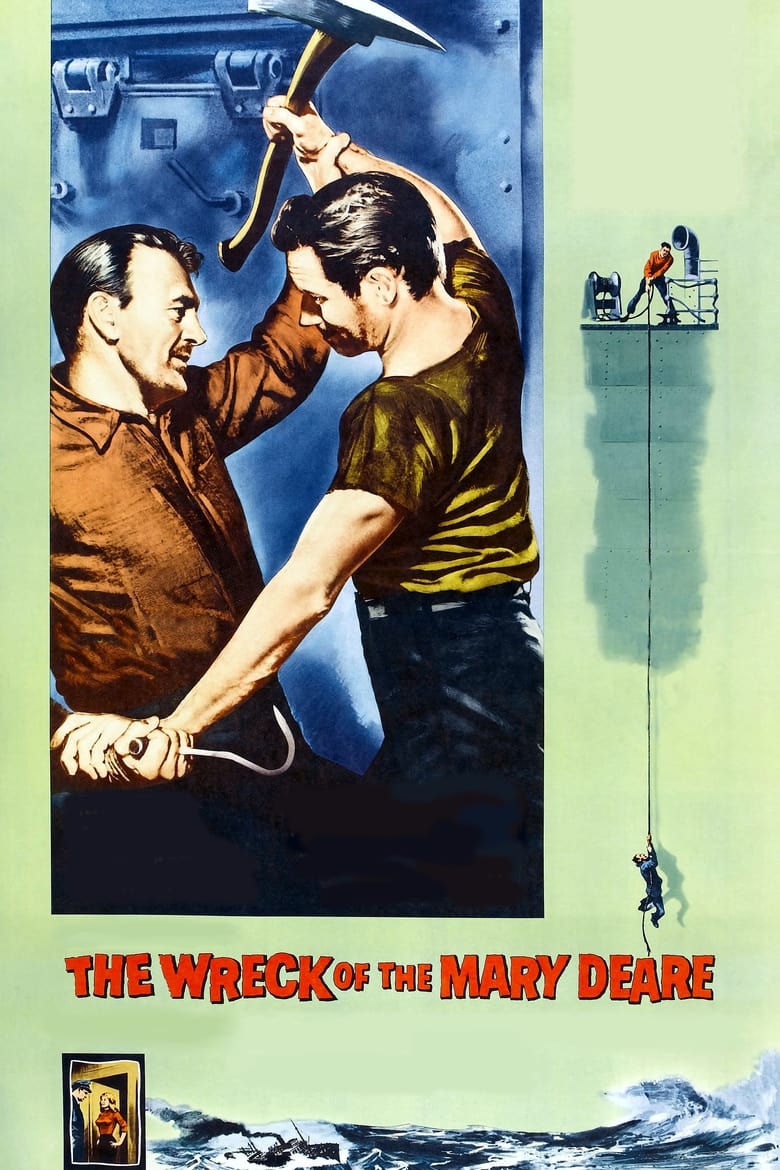
The Wreck of the Mary Deare
1959
ApprovedDirector
Michael Anderson
Runtime
105 minutes
Average Rating
No ratings yetSynopsis
A disgraced merchant marine officer elects to stay aboard his sinking cargo ship in order to prove the vessel was deliberately scuttled and, as a result, vindicate his good name.
Where to Watch
Diversity & Representation
Overall Score
Minimal
Category Breakdown
LGBTQ+ Representation
The film contains no discernible LGBTQ+ characters or non-heteronormative identities. It remains entirely within the heteronormative constraints typical of 1950s studio filmmaking.
Gender Representation
The narrative is heavily centered on a masculine ensemble, with the plot driven by male officers and crew. Female characters are peripheral, serving primarily as domestic motivators or romantic interests.
Racial & Ethnic Diversity
The cast is predominantly white and homogeneous, reflecting 1959 British cinema standards. There is no evidence of intentional racial blending or characters from diverse ethnic backgrounds.
Religious & Cultural Diversity
The film operates within a conventional moral landscape that reinforces duty and professional ethics. It does not challenge Western institutions or engage with anti-capitalist or secularist themes.
Disability Representation
There is no significant depiction of physical or neurodivergent disabilities. Characters are defined by the physical capabilities required for maritime labor rather than lived experiences of disability.
Strengths
- Provides a focused character study on professional integrity and individual accountability.
- Maintains a clear, classical moral framework centered on duty and responsibility.
Areas for Improvement
- Lacks racial and ethnic diversity, presenting a largely homogeneous Western cast.
- Features minimal female agency, relegating women to peripheral or domestic roles.
- Offers no representation for LGBTQ+ identities or characters with disabilities.
AI Analysis
The film is a traditional mid-century maritime drama that adheres strictly to the social and demographic hierarchies of its era. It functions as a character study of professional integrity within a male-dominated merchant marine setting. Representation is highly limited, with the narrative prioritizing a homogeneous white cast and a masculine-driven plot. The film reinforces established social norms rather than subverting them, offering almost no intersectional variety. Ultimately, the work serves as a standard example of period genre filmmaking, focusing on classical moral frameworks and the restoration of order through traditional means.
Rate this Movie
Reviews
No reviews yet. Be the first to share your thoughts on this movie!
Use the rating form above to leave a star rating and optional review.